Crude glycerine was once viewed as just a leftover from the biodiesel or soap production process. But now, it’s becoming popular as a valuable and eco-friendly resource. Crude glycerine is the unrefined form of glycerol and finds applications across several sectors.
In this blog post, we explain to you the fundamentals of crude glycerine. We also cover the key factors driving increased demand for crude glycerine. Stick with us!
Crude Glycerine: Overview
Glycerol, also known as glycerin, is a major byproduct of biodiesel production. During biodiesel processing, approximately 10 pounds of crude glycerin are extracted from every 100 pounds of biodiesel produced. The biodiesel industry is growing rapidly, leading to a surplus of crude glycerin.
Since purifying this glycerol for use in the cosmetics, food, and pharmaceutical industries is costly, biodiesel producers are seeking alternatives. Anaerobic digestion, composting, combustion, animal feeds, and biological transformations to value-added goods have all been used for the disposal and utilization of this crude glycerin.
Impurities are extracted from the crude product produced during biodiesel processing using a range of purification techniques, such as adsorption, distillation, filtration, chemical treatment, and extraction, among others. To obtain high-purity goods, the techniques mentioned earlier can be used in combination.
Glycerin is used in a variety of industries, including agriculture, cosmetics, pharmaceutical excipients, food, lubricants, oil and gas, personal care, and others. It is most commonly used as an emulsifier, anti-freeze, solvent, and humectant.
Crude Glycerin Market Stats
Our assessment reveals the crude glycerine market to witness sustained growth. The market is projected to account for a CAGR of 8.1% during the projection period. The market is anticipated to reach USD 1.26 billion by 2028.
Uses of Crude Glycerine
Energy and Fuel
Crude glycerine contains a high energy content. This makes it useful to generate fuel and energy. Crude glycerine can be co-digested with organic waste in anaerobic digesters for boosting methane output. Its blending with other biofuels allows for a renewable option for boilers and generators. Furthermore, ongoing research is exploring the conversion of glycerine into hydrogen or syngas to enable cleaner fuel alternatives.
Animal Feed Additive
When given in controlled amounts, purified crude glycerine can act as an energy-rich feed ingredient. As a carbohydrate substitute, it enhances feed efficiency in the animal feed market. However, the removal of impurities such as methanol is important before safe use in animal diets.
Waste Treatment and Environmental Use
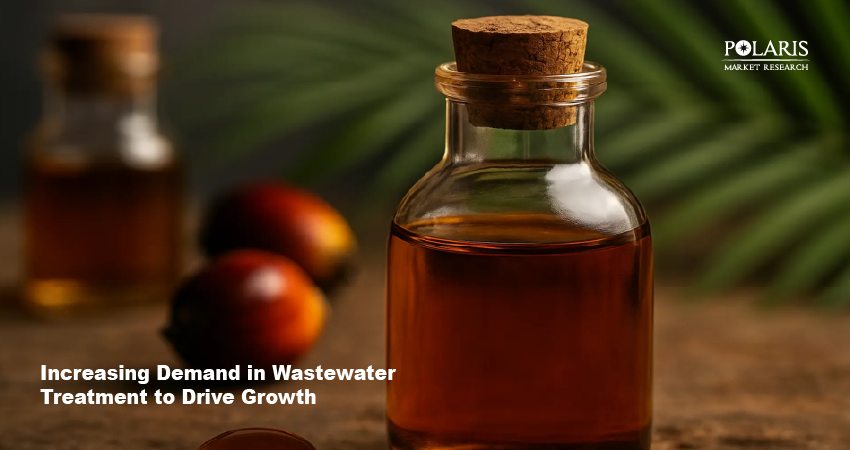
Wastewater treatment plants often use crude glycerine as a carbon source. Here, crude glycerine helps beneficial bacteria remove nitrates and phosphates. This allows for an eco-friendly and cost-effective alternative to synthetic chemicals in biological treatment systems.
Key Market Dynamics
The growing demand for crude glycerin in the food, pharmaceutical, and nutraceutical industries is expected to drive market growth. The ingredient can be used in several foods, including processed meat, condensed milk, and bakery products market. It is obtained commercially as a byproduct of the biodiesel manufacturing process.
Several nations, including South Korea, the US, Germany, and Indonesia, have implemented biodiesel mandates requiring a certain proportion of conventional fuel to be replaced with biodiesel. Rising biodiesel demand worldwide is expected to drive production, ensuring a steady supply of raw materials.
The growing pharmaceutical industry worldwide, as well as the numerous applications of refined glycerin in pharmaceutical preparations, cosmetics, and oral formulations, are driving the growth of the crude glycerine market. Also, the growing use of glycerin in the food industry is expected to drive demand in the market.
Glycerin is a by-product of biodiesel processing, and the use of biodiesel is growing in response to environmental concerns. As a result, glycerin demand has increased dramatically, and strict regulations to ensure product consistency have made it mandatory to use refined glycerin in pharmaceutical and food products. Furthermore, people's healthcare spending is changing, and they are becoming more health-conscious, which is driving up demand for pharmaceutical products and raw materials.
Competitive Landscape
Market participants are witnessing increasing competition as several new companies entered the market. Owing to rapid technological advancements and rising consumer demands, leading companies in the market are collaborating to expand their operations and gain a competitive advantage.
The industry is also experiencing an increasing trend of strategic acquisitions, partnerships, and mergers among market players to expand product portfolios. Some of the players who are holding a strong position in the market are Cremer Oleo GmbH & Co. KG, GF Energy, Renewable Energy Group, Inc., Oleon NV, Abengoa Bioenergia SA, Aemetis, Inc., Cargill, STOCKMEIER Chemie GmbH & Co. KG, and Peter Cremer.
Conclusion
Crude glycerine is a good example of how industries are rethinking waste. What was once seen as a useless byproduct has now become a valuable, eco-friendly material. As the world shifts towards cleaner and renewable resources, the crude glycerine market demand is expected to grow.