For a long time, the idea that the body’s own immune system can be used to fight diseases was considered imaginative. But it is now becoming a practical treatment approach with the introduction of immunotherapy. Immunotherapy is offering new hope to patients, especially those with cancer once thought untreatable. But what is immunotherapy? And how does it work? Keep reading as we explain all that you need to know about the immunotherapy market.
Immunotherapy: Overview
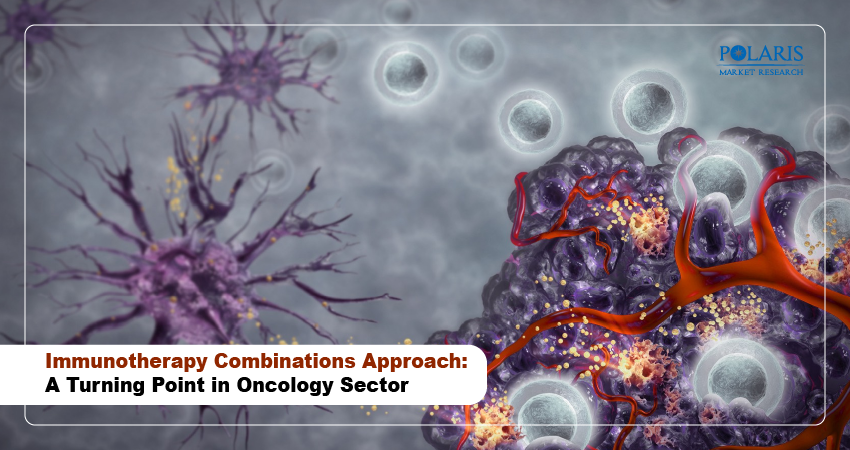
Understanding the working of immunotherapy requires having knowledge about the functioning of the immune system. The immune system protects us. It does so by spotting and destroying anything harmful, such as bacteria and viruses. However, some dangerous cells can hide from detection or weaken the immune response. That way, they can grow and spread. Immunotherapy allows the immune system to see through these disguises and fight back. The activity of immune cells is boosted by immunotherapy. It also tags harmful cells that need to be destroyed.
Some Key Stats
The cancer immunotherapy market is poised to witness sustained growth. The market for cancer immunotherapy stood at USD 225.42 billion in 2024. It is projected to account for a CAGR of 11.90% between 2025 and 2034.
The rising number of cancer patients is one of the key factors driving the demand for cancer immunotherapy. The cancer immunotherapy market is also benefiting from the success of immune checkpoint inhibitors and the rising adoption of targeted therapy.
Different Types of Immunotherapies
Immune Checkpoint Inhibitors
The immune system has "checkpoints," which can be viewed as either an on and off switch for the immune system's activity. Meant to keep the immune system in check, cancer cells have been shown to hijack these checkpoints to escape immune attack.
Checkpoint inhibitor drugs block these checkpoint signals, giving the immune system the green light to "step on the gas." When released, immune cells can recognize and more effectively kill the cancer cells. Drugs such as Keytruda (pembrolizumab) and Opdivo (nivolumab) have changed the treatment paradigm for melanoma, lung cancer, and kidney cancer.
CAR T-Cell Therapy
The CAR T-cell therapy market offers a highly personalized therapy. In this process, providers take T-cells (a type of white blood cell) from a patient, isolate and manipulate them in the laboratory, and then return them to the patient.
These modified T cells expand and kill the cancer without being eliminated by the immune system. This effective therapy works in different blood cancers, and some patients experience complete remission.
Cancer Vaccines
Cancer vaccines work differently from other vaccines, like flu vaccines, which are designed to prevent infection. Cancer vaccines are developed to treat or prevent cancers. These vaccines have been used both to help treat existing cancers and to prevent cancers. They help our immune system recognize 'bad cells' and attack the tumor cells. For example, the HPV vaccine is a cancer vaccine that helps prevent cancers caused by the infection. This includes cervical cancer and throat cancers.
Monoclonal Antibodies
The monoclonal antibodies market offers synthetic antibodies that are naturally occurring in our bodies. These synthetic antibodies bind to specific targets on cancer cells that help the immune system locate and destroy the target. Some monoclonal antibodies are even able to carry drugs or radioactive substances directly to the tumor site, which allows for targeted treatment and significantly decreased exposure to normal cells.
Conclusion
Immunotherapy is remarkable because it does not assault the body. Instead, it works in concert with the body. Rather than relying solely on artificial treatments, immunotherapy enhances the body's own defenses. Therefore, it represents a more natural, equilibrium-based approach in medicine. From treating cancer patients previously deemed terminal to providing hope for patients with chronic diseases, the immunotherapy market illustrates the power of science building on nature's own wisdom.