When you think of construction materials, most people would go directly to concrete and steel. There is another material that is just as important in making buildings last longer, and still be energy efficient: extruded polystyrene. The lightweight and strong properties of extruded polystyrene make it an essential material in modern construction.
In this blog post, we will give you information about extruded polystyrene, the benefits of extruded polystyrene, and the factors shaping the extruded polystyrene landscape.
What is Extruded Polystyrene?
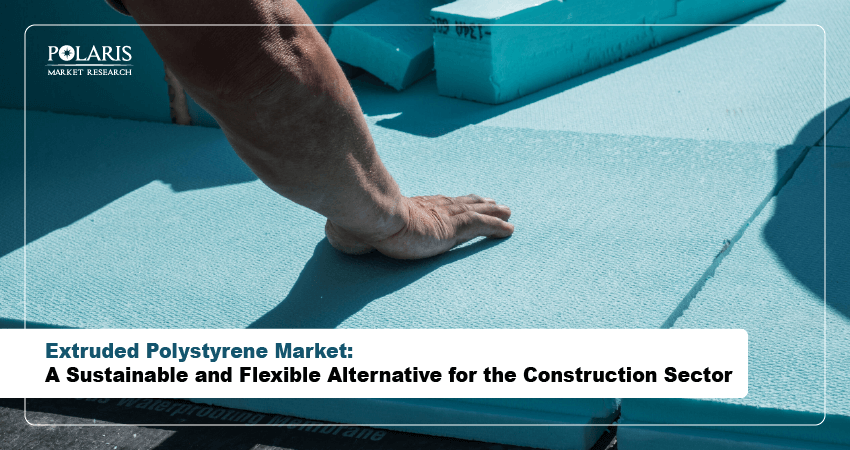
Extruded polystyrene is an inflexible foam insulation material composed of polystyrene, a synthetic polymer derived from petroleum. The manufacturing process for extruded polystyrene involves melting polystyrene beads and then extruding them through a die to form an uninterrupted, closed-cell structure. The resulting foam boards have a seamless, opaque surface and a consistent framework. They are available in several thicknesses, densities, and proportions to meet varied insulation needs.
Where’s the Market Headed?
According to our latest market assessment, the extruded polystyrene market size was valued at USD 5.50 billion in 2023 and is predicted to reach USD 7.98 billion by 2032. Also, the study states that the market reveals a robust 4.2% compound annual growth rate (CAGR) over the predicted timeframe, 2024-2032.
What’s Driving Extruded Polystyrene Demand?
The growing use of extruded polystyrene in the construction sector is driving market growth. There is a massive demand for extruded polystyrene in the market due to its robustness, thermal efficiency, outstanding flexibility, lightweight nature, and compatibility. Extruded polystyrene has, for the last decade, been identified as a favored insulating material. It has emerged as a robust architectural design component, underscoring its status as an outstanding option for eco-friendly building practices. This multifaceted substance not only enhances energy efficiency but also delivers superior indoor air quality and longevity, offering tangible environmental benefits.
What Are the Benefits of Extruded Polystyrene?
Outstanding Thermal Performance: Extruded polystyrene offers superior thermal insulation, effectively reducing heat transfer through building components. It helps maintain comfortable indoor temperatures, enhance energy efficiency, and reduce heating and cooling costs.
Moisture Resistance: Extruded polystyrene has a sealed-cell structure that makes it highly resistant to moisture absorption. In the extruded polystyrene market, its moisture resistance helps safeguard against molds, mildew, and rot, encouraging a wholesome indoor ambiance.
Permanence and Longevity: Extruded polystyrene is known for its robustness and longevity. It can withstand bulky loads without distorting or squashing, making it suitable for load-bearing environments. It has a long life cycle and maintains its insulation properties over time, offering long-term energy-efficiency benefits.
Where Is Extruded Polystyrene Used?
Wall Insulation: Extruded polystyrene is a part of the building thermal insulation market. It is commonly used to insulate external walls, providing a thermal barrier that reduces heat loss and gain. It enhances energy efficiency, maintains comfortable indoor temperatures, and reduces heating and cooling costs.
Roof Insulation: Extruded polystyrene insulation is a productive alternative for insulating roofs, whether flat, pitched, or inverted. It helps prevent heat transfer between the building and the exterior environment, reducing the need for excessive heating or cooling.
Which Region Leads Market Demand?
Europe: This region dominated the market with the largest revenue share due to its implementation of strict energy-efficiency standards and building directives, leading to extensive use of advanced insulation materials such as extruded polystyrene in construction. The region's steadfast commitment to sustainable building practices and the energy efficient buildings market, combined with the thriving construction industry and expanding infrastructure projects, has notably increased demand for extruded polystyrene across a range of applications.
End Note
Extruded polystyrene offers notable advantages in thermal performance, moisture resistance, and longevity. In the construction industry, it is a productive option for improving energy efficiency, reducing heating and cooling costs, and creating comfortable living spaces. The extruded polystyrene market is expected to witness sustained growth in the years to come.