Octyl alcohol is a long-chain fatty alcohol that finds applications in several everyday products. It’s present in creams, detergents, and cleaning agents. It is also essential for the chemical and plastic industries. But what is it about the alcohol that makes it so useful? This blog breaks down what octyl alcohol is, major areas where it is used, and why the importance of the octyl alcohol market is growing across global industries. Let’s dive in!
Octyl Alcohol: Overview
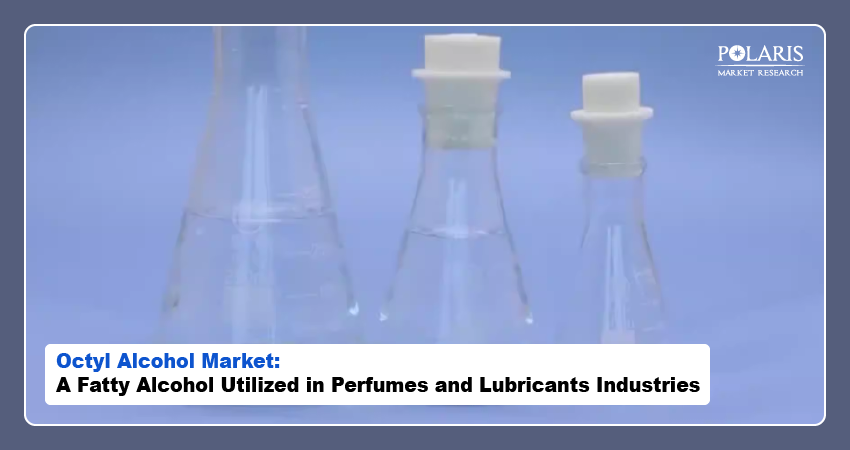
Octyl alcohol is a fatty alcohol originating from natural oils and utilized essentially as a solvent, flavoring agent, and chemical intervening in several industries. It is an uncolored liquid with a fruity odor and is soluble in most organic solvents but insoluble in water. Octyl alcohol has applications in the making of perfumes, lubricants, plasticizers, and pharmaceuticals.
Market Metrics
The global octyl alcohol market is expected to witness sustained growth, as per the latest assessment by Polaris Market Research. The market is anticipated to grow to USD 8.23 billion by 2032. It is forecasted to register a CAGR of 2.5% during the forecast period, 2023 to 2032.
Octyl alcohol is a precursor to plasticizers such as dioctyl phthalate (DOP). Plasticizers are additives that impart pliancy and flexibility to various materials, including plastics and rubbers. The use of octyl alcohol as a raw material for plasticizer production also increases demand for it in the market. It is also used as a raw material for producing acrylate esters, which are widely used in the manufacture of emulsion paints and surface coatings. Acrylate esters offer outstanding adhesion, weather resistance, and longevity in paint and coating formulations, making them suitable for many applications.
Production Process of Octyl Alcohol
There are two main ways to make octyl alcohol in the octyl alcohol market. It can be obtained either from natural sources or made using industrial chemical processes.
Natural Extraction: Octyl alcohol is naturally present in small amounts in some plants. These include citrus oils, essential oils, and fruits like oranges. It is extracted through fermentation, hydrogenation, or fractional distillation. Fermentation involves the use of natural microorganisms to break down plant materials. Hydrogenation adds hydrogen to convert fatty acids into alcohols. The rising consumer preference for natural ingredients has led to the increased use of naturally sourced octyl alcohol in the cosmetics and personal care products market.
Synthetic Production: Most industrial octyl alcohol is made synthetically. This is because it offers higher purity and has a larger-volume output. The Ziegler Process has aluminum compounds that react with ethylene. This results in the formation of long-chain molecules, which are then oxidized to create alcohol. The oxo process involves turning hydrocarbons like propylene into aldehydes. These are then hydrogenated to form alcohol.
Potential Health Benefits of Octyl Alcohol
Treatment of Essential Tremor: Essential Tremor is a medical condition that causes involuntary tremors of body parts for no apparent reason. It's widespread amongst the geriatric population and is frequently cured with drugs such as beta blockers and ethanol, which have several definite detrimental side effects. Octyl alcohol displays assurance in decreasing tremors with only a minuscule dosage and transfers no detrimental side effects.
Treatment of Cystic Fibrosis: One starting point for cystic fibrosis is a mutation in the gene encoding the Cystic Fibrosis Transmembrane Conductance Regulator (CFTR), which can cause the CFTR protein to malfunction, often or severely. One study found that octyl alcohol enhances the activity of both wild-type and mutant CFTR and may be used to treat cystic fibrosis.
Geographical Market Landscape
Asia Pacific: This region’s market dominance can be credited to the growth of its cosmetic, industrial cleaning chemicals market, and pharmaceutical industries. The strong development in China’s beauty and personal grooming sector is being driven by rising disposable income, shifting consumer preferences, and the acceptance of beauty and wellness products.
North America: This region reported strong growth, driven by Canada's robust presence in the pharmaceutical sector, which is considered one of the most innovative industries in the nation.
To Conclude
As octyl alcohol is used as an intermediate in the synthesis of several pharmaceutical drugs, including antivirals, antibiotics, and anti-inflammatory drugs, its future is promising. In the octyl alcohol market, the escalating demand for personal care products, plasticizers, and pharmaceuticals is anticipated to drive sizeable growth in the near future.