Silica flour is an extremely versatile material that is utilized extensively across numerous industries. Silica flour is present in the technology you utilize every day. Silica flour is found in the homes in which we live, and even in the systems that provide energy to cities. So, what’s it about silica flour that makes it so versatile? Keep reading as we explain to you all that you need to know about the rapidly evolving silica flour market.
What Is Silica Flour?
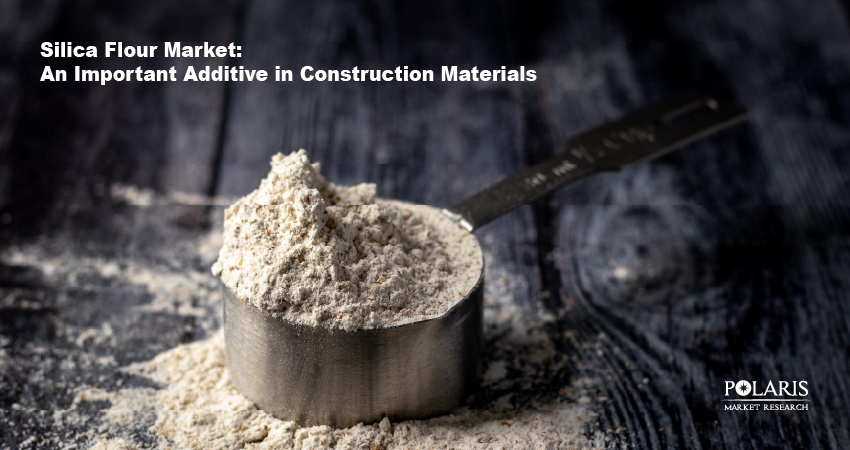
Silica flour is a very fine powder. It is made from crystalline silica whose sourcing is typically done from quartz or high-quality sand. It is obtained through the grinding of quartz into a consistent powder that has very small particles and is highly pure. Silica flour has high strength and hardness. It can also resist various chemicals. Furthermore, the high melting point of silica flour makes it suitable for tough industrial use.
The smooth texture of silica flour means it can easily be mixed with other materials. Silica flour types from the silica flour market can function as a filler, strength enhancer, or functional additive across applications. The silica content in silica flour is usually above 99%, which makes it valuable for industries that require purity and precision.
How Is Silica Flour Produced and Processed?
The production process of silica flour begins with the careful selection of the quartz. Only quartz that has minimal impurities is selected, as the final product’s quality is dependent on the purity of the raw material. After being selected, the quartz will be crushed down into pieces for grinding.
Next, the quartz pieces will be finely ground with machines such as ball mills and jet mills. The machines are able to reduce the quartz to a fine powder. The particle sizes are very small and can even be measured in microns. The goal here is to ensure that the overall size of the particles is uniform because even a slight difference in size could affect the overall material performance across various industrial applications.
After grinding, other systems are employed to classify the particles by size. The white silica flour that is derived from these processes is subject to purity and consistency testing. Testing is conducted to ensure proper brightness of the powder and ensure that there are no unwanted materials contained within the flour. Each batch must check adequately in order to be approved for use.
Sometimes, extra treatments may be done to improve the performance of the product. For example, modifications to the particles' surfaces may be made to enable them to mix better with plastics or coatings. In essence, the production process of silica flour involves several steps to convert it from natural quartz into a high-quality material.
What Are Key Properties of Silica Flour?
High Purity
Silica flour is highly pure, since it has over 99 percent SiO?. Because of the very low amounts of impurities such as iron (Fe), titanium (Ti), or aluminum (Al) oxides, silica flour does not impact the performance or look of the material. While one part per million of impurities may reduce the clarity of material or alter conductivity in applications ranging from glassmaking and electronics, high-purity silica ensures the product is clean and consistently high quality.
Chemical Inertness
Silica flour is another material that is chemically inert and does not readily react with moisture or solvents. This resistance also provides stability and allows its use in coatings and filtration as well as in the advanced ceramics market.
Thermal Stability
Silica flour has thermal stability and is rated for high heat performance with a melting point of approximately 1,710 °C. Silica flour can perform well in high heat applications. It has improved applications requiring extended periods of exposing a material to high temperature to avoid thermal deformation and cracking, providing energy efficiency.
Mechanical Strength
Silica flour can also add strength and durability to some materials, including concrete and plastics, as well as other surfaces, by just incorporating silica flour into resin metalloids. Silica flour assists surfaces and materials in resisting scratches, if not general wear.
Fine Particle Distribution
The particles of silica flour are fine and of even size. So, they can easily mix and spread in other materials. This property is highly valuable in paints and sealants, as they need an even texture and good bonding. It also allows for smooth finishes and consistent performance.
How Innovation is Changing Silica Flour Production?
Recent technological advancements are having a major impact on the silica flour market. New milling methods allow producers to have precise control of sizes. These new milling methods are improving the quality and consistency of the final products. There have also been substantial advancements in surface treatment that improve the ability to blend silica with other products, further increasing the opportunities to utilize silica flour. There is also growth in nanotechnology and the nanomaterials market. The introduction of nanosilica is taking performance to a new level. Nanomaterials and composite products yield greater overall strength and versatility.
Conclusion
Silica flour is used in many industries due to its high purity and unique strength. Its high quality makes it ever-present in glass production, construction, and many other industries. Silica flour market producers are focusing on innovation in R&D and sustainability to commercialize advanced materials and green production processes. In the coming years, we can expect to see increased partnerships among market participants to increase their market share.