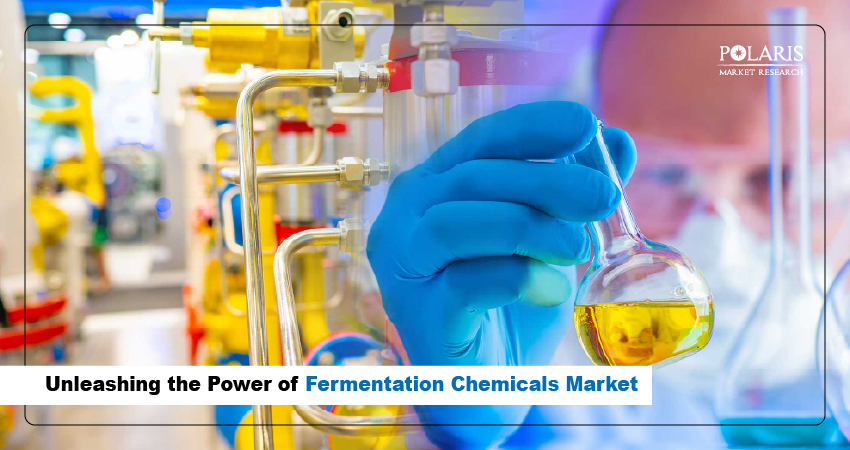
When you hear the word fermentation, bread, cheese, or your favorite drink may come to mind. But fermentation is so much more than a food production process. Fermentation is one of the most incredible types of chemical reactions that nature has produced and used abundantly in a variety of industries, including food, medicine, fuel, and agriculture.
At the core of fermentation, chemicals are important reagents that initiate the chemical reaction or are produced as end products. Fermentation chemicals contribute to the production of some of the most basic everyday consumable products and household goods that we use regularly, including some antibiotics, vitamins, plastics, and detergents.
Fermentation: Overview
Fermentation, the ancient technique of utilizing microorganisms to create valued compounds, has been extremely important for a variety of industrial applications. At the center of this impactful process are fermentation chemicals, which assist and control the fermentation process in the production of numerous products.
How is the Market Performing?
The industry has witnessed robust growth in recent years, driven by extensive applications across food and beverages, pharmaceuticals, plastics, and more. The fermentation chemicals market was valued at USD 85.83 billion in 2025 and is expected to grow at a CAGR of 6.9% from 2026 to 2034.
The market is primarily driven by:
- Rising demand for bio-based products
- Expansion of food and beverage industry
- Expansion of pharmaceutical industry
What Are Products of Fermentation?
Alcohols are produced in large quantities by fermentation. The uses of alcohols, such as ethanol, butanol, and glycerol, span various economies. Alcohols are used in the production of fuels, as chemical intermediates in industrial processes, as solvents in the production of various products, and in cosmetics and the personal care products market. The production of alcohols represents a significant area of growth in the fermentation chemicals sector.
Enzymes produced by fermentation also represent an important product, as enzymes offer utility in many applications. In the food processing sector, for example, enzymes can be used to improve food processing and preservation; in pharmaceuticals, enzymes can be used to synthesize drugs and in analytic diagnostics. The point is that enzymes are important tools in a number of industries.
Organic acids, such as citric acid, lactic acid, and acetic acid, have substantial uses across many industries. Organic acids are used in food preservation and enhancement of flavor, in pharmaceuticals and health care, and as building blocks for bioplastics. Biological processes such as fermentation offer an efficient way to produce limited non serving organic acids in volume.
Where Are Fermentation Chemicals Used?
Industrial Applications
Fermentation chemicals find extensive use in industrial processes, including biofuel production, biopolymers, and bio-based chemicals. These chemicals optimize fermentation and provide sustainable solutions to various industries, reducing their environmental impact.
Food and Beverages
The food and beverages industry is a major consumer of fermentation chemicals. These chemicals are utilized in flavor enhancement, preservation, and texture improvement, catering to the ever-increasing demand for the packaged food market. This segment is largely responsible for the growth of the fermentation chemicals market.
Nutritional and Pharmaceutical
Fermentation chemicals are vital in the nutritional and pharmaceutical sectors. Enzymes derived from fermentation processes are used in the production of dietary supplements, probiotics, and pharmaceutical drugs, contributing to improved health and well-being.
Plastic and Fibers
Fermentation chemicals have paved the way for sustainable alternatives in the plastic and fiber industry. By enabling the production of biodegradable plastics and bio-based fibers, fermentation chemicals offer eco-friendly options, reducing reliance on fossil fuels.
Which Region Leads Market Demand?
Asia Pacific holds the leading position in the market for fermentation chemicals, where rapid industrialization, an increasing population, and growing consumer demand for sustainable goods are facilitating the uptake of fermentation chemicals across industrial applications in this region.
Furthermore, the Asia Pacific is also expected to have the highest growth rate. This rapid growth is driven by many factors, including rising disposable income leading to increases in the consumption of processed foods and beverages. Othe factors supporting regional growth are rising investments in biotechnology and the pharmaceutical market.
Conclusion
The fermentation chemicals market is experiencing extraordinary growth, driven by the move towards bio-based products, advances in industrial processes, and increased demand for food and beverages. As industries globally seek sustainable and efficient solutions, fermentation chemicals are emerging as invaluable resources offering a means to facilitate the production of many products, while also reducing their environmental impacts. The future of the market looks bright, hopefully with the onset of continued innovations and new applications across many sectors.