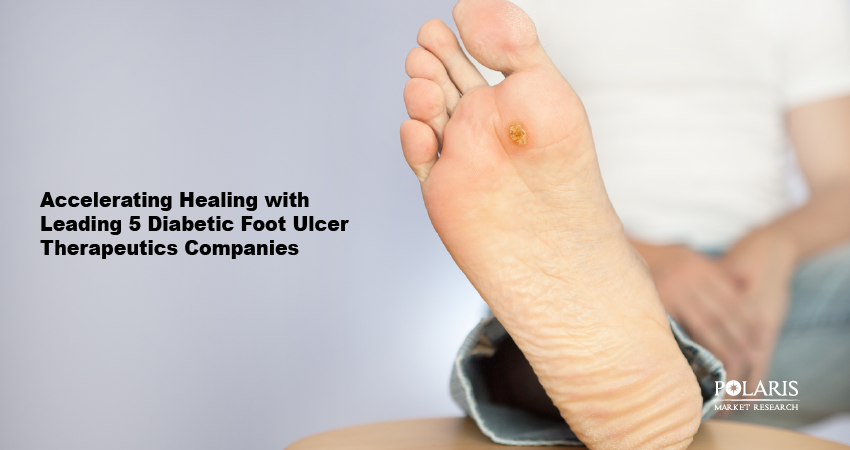
Diabetes is a chronic ailment affecting millions of people around the world. The disease comes with a number of complications; high sugar levels over consistent periods can result in deteriorating organs and systems. Diabetic foot ulcers are one of the major problems people with diabetes have to cope with. This blog explains what a diabetic foot ulcer is and the treatment options present in the diabetic foot ulcer therapeutics market. It also sheds light on the top companies shaping the market landscape.
Diabetic Foot Ulcers: Overview
Diabetic foot ulcers are caused by increased blood sugar levels. High levels of sugar damage the nerves gradually and reduce blood flow in the body. This results in poor healing even in cases of minor cuts or injuries. Failure to treat the wounds in time causes infection, which may result in amputation or hospitalization.
Diabetic foot ulcers are usually experienced by individuals who have had diabetes for a number of years. It is estimated that 1 in 4 individuals with diabetes may experience a foot ulcer in their lifetime. These wounds take long to heal. They also impose a cost burden as treatment requires frequent doctor visits and special dressings.
Challenges Presented by Diabetic Foot Ulcers
Diabetic foot ulcers can look very different among individuals. Some of these ulcers are small and stay on the surface of the skin. Others go much deeper and may reach muscles and bones. The severity of ulcers depends on various issues associated with diabetes.
Nerve damage is experienced by many people with diabetes. These individuals can’t feel cuts, blisters, or pressure on their feet. As such, small injuries may go unnoticed and develop into bigger wounds. Poor circulation of blood is another problem. This is because it slows down healing and makes it harder for the body to fight infections. Constant rubbing or wearing tight shoes can make ulcers worse over time.
Therapeutic Approaches for Diabetic Foot Ulcers
Standard Wound Care
This is the most widely used treatment for diabetic foot ulcers. It involves cleaning the wound, removing dead skin, and keeping it moist. The wound is covered with the right type of dressing. Moist dressings help the skin to heal itself. Surgical dressings from the surgical dressings market are also integral to diabetic foot ulcer therapeutics. Different dressing options available include foam, hydrocolloid, and alginate.
Debridement Treatments
Debridement means removing dead or infected tissue to allow healthy tissue to grow. This helps the wound heal faster. There are different ways to do this. Surgical debridement is used to cut the dead tissue. Enzymatic debridement uses creams that break down damaged tissue. Autolytic debridement involves the use of moist dressings to allow the body to clean the wound in a natural way. Therapies from the maggot debridement market are used for treating ulcers that are chronic or non-healing.
Infection Management and Antibiotic Therapy
Diabetic foot ulcers are prone to infections. This is because damaged skin provides an entry point for bacteria. This can result in a quick spread of the infection, especially in individuals with poor immunity. Managing infections involves the use of topical antibiotics and antimicrobial dressings.
Pressure Offloading Devices
Prolonged pressure on certain areas of the foot is a major contributor to the non-healing of diabetic foot ulcers. Offloading devices are designed to distribute weight and protect the wound during the healing process. Devices used include total contact casts, removable cast walkers, and customized orthotic insoles.
Key Diabetic Foot Ulcer Therapeutic Companies
ConvaTec Group Plc
ConvaTec Group Plc provides various advanced wound care products and new therapeutic options for the diabetic foot ulcer therapeutics market. The AQUACEL line of products from the company includes Hydrofiber technology, which develops a moist environment for wound healing. ConvaMatrix is a placenta-based extracellular matrix by ConvaTec that’s used as a skin substitute. The DuoDERM hydrocolloid dressings create a moist healing environment and help protect skin at risk.
3M Health Care
3M Health Care provides sophisticated solutions in wound care, which find application in the management of diabetic foot ulcers. The company’s emphasis has been on the integration of various therapies and products developed to manage symptoms. The 3M V.A.C. Therapy System is being extensively used for chronic wounds, including diabetic foot ulcers. 3M provides different types of dressings for managing exudates and protecting surrounding skin. The 3M Tegaderm High Performance Foam Adhesive Dressing combines innovative features to support a moist wound healing environment.
Coloplast Corp.
Coloplast Corp. provides advanced wound dressings used as a holistic treatment plan for diabetic foot ulcers. Its products focus on developing a moist wound healing environment and managing exudate. The company offers Comfeel Hydrocolloid Dressings that support the natural autolytic debridement process by keeping a moist wound environment. Its Purilon Gel is suitable for effective and gentle autolytic debridement of moist and dry necrotic wounds.
Smith & Nephew Plc
Smith & Nephew Plc offers advanced wound management products and bioactive ingredients market solutions to treat diabetic foot ulcers. The company offers SANTYL Ointment, an FDA-approved enzymatic debrider used for debriding chronic dermal ulcers and burns. Dermagraft is a living skin graft by Smith & Nephew Plc composed of human fibroblasts and an extracellular matrix. The company's portfolio also includes other bioactives like REGRANEX gel.
B Braun Melsungen AG
B Braun Melsungen AG offers a range of products and solutions in wound management, part of holistic care. The company emphasizes effective local wound care with infection control. Its Prontosan Wound Irrigation Solution and Gel are used for wound cleaning and moisturizing. B. Braun also offers advanced dressings for various wound conditions and varying volumes of wound exudate.
AI and Diabetic Foot Ulcer Therapeutics Market
The AI in healthcare market is revolutionizing diabetic foot ulcer therapeutics. AI algorithms can identify ulcers and the early signs of complications with a high degree of accuracy. This facilitates early intervention and, therefore, helps prevent expensive amputations. AI supports innovative product development, which can offer continuous monitoring and self-care. Automation of certain tasks, like wound assessment by AI, greatly reduces the administrative burden on healthcare providers.
Conclusion
The diabetic foot ulcer therapeutics market is evolving towards smarter and more personalized care. New technologies, such as smart wound dressings and AI-based imaging, are being used to detect problems early and plan better treatments. Advanced options, such as biologics, are improving the body's ability to heal stubborn wounds.