Sleep is highly important for human health. It affects everything from brain function to immunity. Yet, a notable portion of the global population struggles with sleep disorders such as insomnia and sleep apnea. To better understand how people sleep and diagnose these problems, doctors use advanced tools such as actigraphy sensors and polysomnography (PSG) devices.
In this blog post, we explain to you what actigraphy sensors and PSG devices are. We also shed light on why the demand for these sensors and devices is on the rise. Keep reading!
Actigraphy Sensors and PSG Devices: Overview
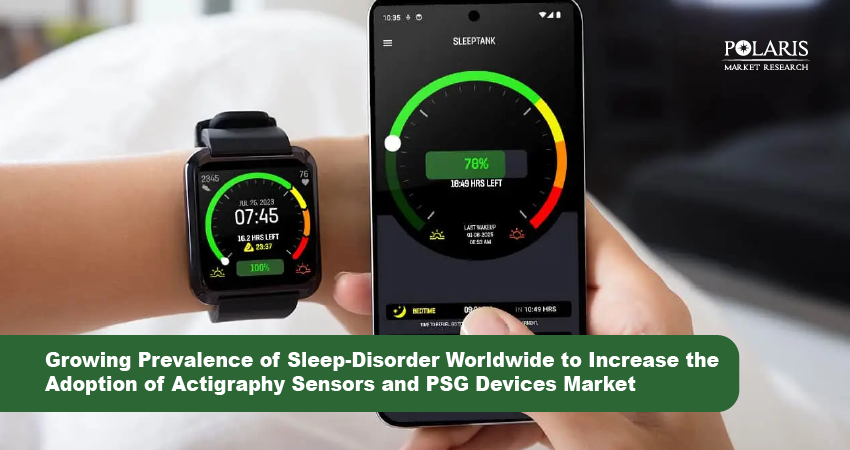
Actigraphy sensors are advanced medical devices used to monitor activity cycles in the human body through non-invasive medical treatments. A small actigraph unit, referred to as an actimetry sensor, monitors gross motor activities of people wearing it. This device helps understand sleep patterns and determines whether sleep is sufficient or insufficient. On the other hand, polysomnography (PSG) is a primary standard for evaluating sleep patterns, as it determines sleep time, wake time, and sleep architecture.
Market Dynamics
The actigraphy sensors and PSG devices market is expected to account for sustained growth in the years to come. The busy lifestyle has impacted sleep patterns, resulting in an increased prevalence of sleep disorders and fueling demand for actigraphy sensors and PSG devices. Changes in sleep patterns can range from minor disturbances to severe issues, affecting the quality of life. Actigraphy sensors and PSG devices play a vital role in monitoring user health with ease and accuracy. In addition, it helps diagnose sleep-related diseases and makes treatment easier.
Furthermore, growing awareness among users worldwide about the use of such medical devices is boosting the market. The growth of the sleeping aids market is also having a favorable impact on the market demand. Moreover, increasing research in healthcare to develop more efficient and reliable devices is driving growth in the global market. To ensure people's proper health, regulatory bodies are approving the use of devices to track consumer health.
Science Behind Sleep Tracking
Understanding how sleep devices transform body signals into useful data explains their importance in sleep medicine.
Actigraphy tracks the movement of the body to tell when a person is awake or asleep. Computer algorithms are used for analyzing data that separates active and resting periods. Sensors are also present in many devices for recording light exposure and skin temperature. This gives insights into the individual’s sleep schedule and environment. Newer actigraphy models make use of artificial intelligence to make their results more accurate.
Polysomnography offers a much deeper look into sleep. EEG signals are used for measuring brain activity and dividing sleep into stages. Each stage has its own brainwave pattern and body changes. PSG offers a detailed picture of how well someone sleeps. It also helps in identifying symptoms such as sleep apnea or restless legs.
Market Segmentation and Regional Assessment
Based on product types, the market is characterized by polysomnography and actigraphy devices. The actigraphy devices segment led the market, owing to increased awareness about infection and relaxation of restrictions in many industrialized nations.
Based on the technology, the global actigraphy sensor and PSG devices market is divided into GPS devices, wireless technology devices, and USB devices. The wireless technology segment is anticipated to lead the market, as most of the new products are technologically enabled.
North America dominated the global actigraphy sensor and PSG devices market and is expected to continue its dominance in the coming years. The substantial growth is a result of the increasing burden of sleep disorders, further causing chronic sleep disorders and driving the sleep disorders market demand.
Asia Pacific is anticipated to grow with an impressive CAGR on account of increasing cases of depression, snoring, and sleepwalking, coupled with technological advancements in devices. In addition, rising investments in the development of new and effective products are further propelling market growth in the region.
Conclusion
Actigraphy sensors and polysomnography devices have changed how sleep is studied. Actigraphy provides insights into long-term sleep habits, while polysomnography helps us understand what happens in the body and brain during sleep. As technology advances, the actigraphy sensors and PSG devices market demand is expected to rise in the years to come.