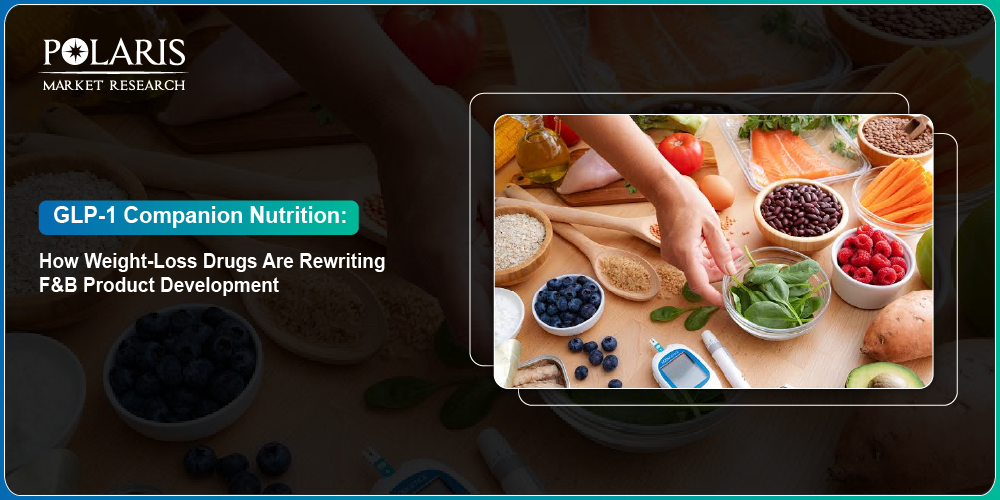
GLP-1 companion nutrition means foods and drinks made for people taking GLP-1 weight-loss medicines. Roughly 18% of U.S. adults now use a GLP-1 medication, making this a fast-growing consumer group. These medicines reduce appetite and change eating habits. A lot of people are now eating smaller meals that need more protein, fiber, and vital nutrients per serving. This trend is pushing food and beverage companies to develop new products. GLP-1 nutrition is one of the key themes at IFT FIRST 2026. How brands are changing their products are observed by the latest GLP-1 food and beverage trends for 2026. These changes support meeting changing consumer needs and encourage healthier eating.
What Is GLP-1 Companion Nutrition?
GLP-1 companion nutrition is food and drink formulated for people taking GLP-1 weight loss medications. These products don’t act like the medication or replace it. They are designed to help people meet their nutrition needs while using GLP-1 medications. Because these medications reduce appetite, many people eat less and may not get enough protein, vitamins and minerals. Muscle loss or digestive discomfort can be experienced by some people. To help with these changes, companies are developing protein-forward products that provide more nutrition in smaller servings. Many of these products are also easy to digest and made with nutrients the body needs. As more people start using GLP-1 medications, companion nutrition is becoming an important part of food and beverage product development.
Why Is Consumer Demand Shifting So Fast?
The changing grocery basket — fewer indulgent calories, more protein
People taking GLP-1 medications are changing the way they shop for food. Many buy fewer snacks, sugary drinks, and high-calorie treats. Instead, they want food that delivers more nutrition per mouthful. Protein is a particular focus as people tend to eat smaller meals. This is creating demand for protein-led products such as protein yoghurts, shakes, snack bars and ready meals. Food shoppers are also paying closer attention to labels and comparing nutrition before they buy. Food companies are therefore reformulating existing products and launching new ones that fit with these changing food choices.
Muscle preservation, gut health, and hydration as new purchase drivers
People are now paying more attention to what their food can do for their health. Many people want to eat foods that help them keep muscle, support digestion, and stay hydrated, especially those who are eating less while on GLP-1 medications. Foods with protein, fiber, electrolytes and vital nutrients are getting more attention. Brands are also creating digestive health products that are easy to include in everyday meals and are gentle on the digestive system. These evolving needs are driving more functional food innovation in 2026 as companies develop products for people on GLP-1 medications.
What Product Categories Are Growing Because of GLP-1?
High-protein, low-sugar snacks and bars
As more people use GLP-1 medications, high-protein snacks and bars are becoming more common. Many people eat less during the day, so they want snacks that give them more nutrition. Products with more protein ingredients and less sugar are becoming a popular choice. They are easy to carry and can be eaten between meals. Many brands are also keeping the ingredient list simple. This has created more demand for protein-forward products that fit into everyday eating habits.
Functional and clear-protein beverages
Drinks are also changing with this trend. Many people prefer something light instead of a heavy meal or thick protein shake. Clear protein drinks are becoming more popular because. These drinks are easy to incorporate in daily life and provide extra protein. Some drinks also contain electrolytes, fiber, vitamins, or minerals. To meet different consumer needs companies are adding more options. These products give people a simple way to add nutrition to their daily routine.
Portion-controlled, nutrient-dense meal replacements
Smaller meal replacement products are also gaining attention. People taking GLP-1 medications often prefer smaller meals that still provide enough nutrition. This has led to demand for nutrient-dense formulations with protein, fiber, healthy fats, vitamins, and minerals. Without eating large portions, these products help people get important nutrients. More brands are now offering meal replacements in ready-to-drink, powder and snack formats.
What Are the Commercial Risks and Formulation Challenges?
Developing foods for GLP-1 companion nutrition is not as simple as adding more protein or nutrients. The products should taste good and be easy to eat. This is another responsibility of companies. This can be tricky, as high amounts of protein, fiber, or added nutrients can change the taste or texture. Leaving an unpleasant aftertaste is another challenge with some ingredients. It takes time and product testing to find the right balance of nutrition, taste and texture. Brands also have to make products that people will enjoy eating regularly.
Companies also need to be careful about what they say on product labels. Food products can’t claim to work like GLP-1 medications and can’t promise health benefits without the proper approval from authority. They have to follow food labeling and regulatory rules. Price is another important issue that brands need to tackle. Products with extra protein and nutrients are often more expensive than regular foods. For some people this can become difficult to afford. As the market grows, companies will need to find a balance between good nutrition, quality, and price.
Which Companies Are Leading the GLP-1 Companion Nutrition Shift?
The GLP-1 companion nutrition market is gaining attention across the food and beverage industry. Many established consumer packaged goods (CPG) brands are developing products for people using GLP-1 medications. Their focus is not on replacing the medicine. Instead, they are offering foods and drinks with more protein, fiber, and other nutrients in smaller portions. To meet these changing nutrition needs, many brands are also updating existing products.
Ingredient suppliers are also shaping this market, working with food manufacturers to develop ingredients that support new product ideas. These ingredients include protein ingredients, fiber blends, vitamins, minerals and other nutrition solutions. In snacks, beverages and meal replacements, food companies can use these ingredients. As demand continues to grow, more companies are expected to enter this space. This is likely to bring more choices for consumers and help future product development.
What's Next for F&B Brands in 2026 and Beyond?
To meet the needs of GLP-1 users, the food and beverage industry is rapidly responding. Expect to see more companies dedicated to integrated nutrition and formulation solutions at IFT FIRST 2026. Many competitors are working to create products that offer better nutrition in smaller servings. Also, the focus is on the products that are easy to integrate into everyday meals.
This trend is likely to continue beyond 2026. Functional food innovation 2026 is encouraging brands to develop products that match changing eating habits. Companies that respond to these needs early will be better prepared as demand continues to grow.
Frequently Asked Questions
What foods naturally support GLP-1 users?
Foods with protein, fiber, healthy fats, vitamins, and minerals are often a good choice. They can help people meet their nutrition needs when they are eating smaller meals.
Is GLP-1 companion nutrition a passing trend or a long-term shift?
It is becoming a long-term change. As more people use GLP-1 medications, food and beverage companies are adjusting their products to match changing eating habits.
How are beverage brands responding to GLP-1 demand?
Many beverage brands are adding more protein, electrolytes, and other nutrients to their drinks. They are also coming out with lighter drinks and smaller serving sizes for everyday use.
Consumer food choices are evolving, and brands are adapting to remain relevant. This evolution is creating new opportunities for better-for-you and everyday convenience products. For a deeper examination of this market, the Nutraceutical & Functional Food Ingredients report from Polaris Market Research provides insights on current trends, market growth, and future opportunities.