
Digestive Health Products Market Size & Trends, Forecast 2026-2034
REPORT DETAILS
Digestive Health Products Market Summary
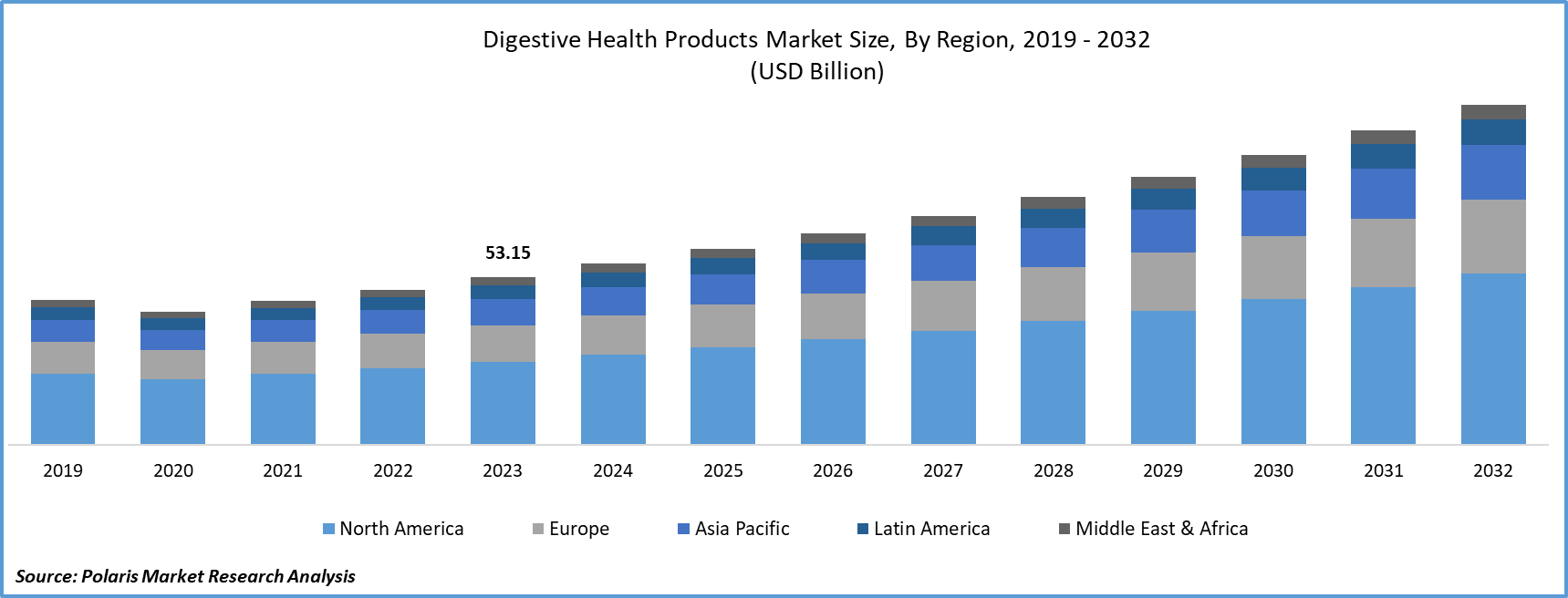
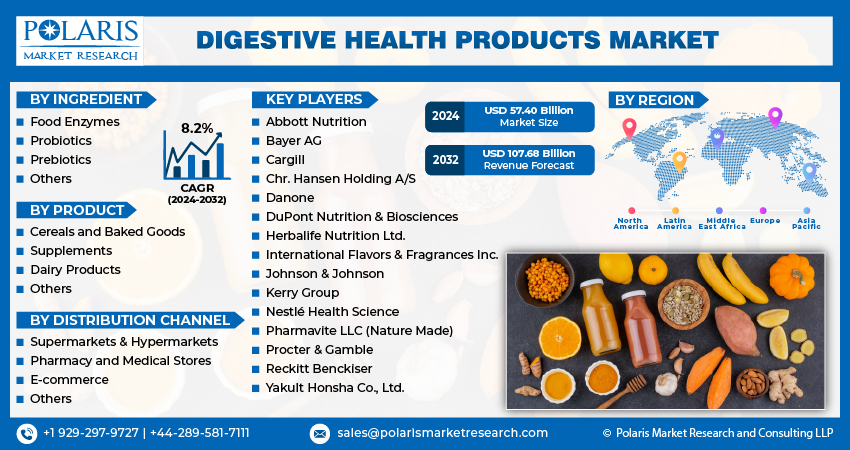
The global digestive health products market is estimated around USD 57.43 Billion in 2025, with consistent growth anticipated during 2026–2034. Growth is driven by rising digestive disorders and increasing aging population across global markets. The market is projected to grow at a CAGR of 8.2% during the forecast period.
Market Statistics
Key Takeaways
- North American region was leading in the digestion health products market, accounting for approximately 39.60% market share due to strong consumer awareness and high supplement consumption.
- Asia Pacific region is forecast to experience the highest CAGR growth of approximately 14.35%, driven by rising health awareness and increasing disposable income.
- Probiotic segment captured the market share in 2025, holding approximately 42.10% due to increasing demand for gut health and immunity support products.
- Capsules accounted for the maximum share in the market in 2025, contributing approximately 37.85% market share due to ease of consumption and dosage accuracy.
- The pharmacies segment had the largest market share in 2025, accounting for approximately 40.25% due to consumer trust and wide availability of digestive health supplements.
Note: Figures and projections outlined in this report are the result of Polaris Market Research’s proprietary analytical processes, grounded in the latest available datasets and market observations.
Industry Dynamics
- Increasing prevalence of digestive issues is driving demand for gut health products.
- Rising aging population is increasing demand for daily digestive care solutions.
- Regulatory variation across countries delays product approvals and market entry.
- Rising adoption of e-commerce improves accessibility and supports scalable growth in the digestive health products market.
What Are Digestive Health Products?
Digestive health products include a series of products which promote digestive health and help maintain optimal functioning of the gastrointestinal tract. Digestive health supplements, functional foods, and beverages fall under this product category and have an impact on improved nutrient absorption and the maintenance of balanced levels within the gut. The products can be consumed for the treatment of conditions like dyspepsia, bloating, and constipation. Increasing awareness of digestive wellness is supporting demand across consumer groups.
The digestive health products supply chain includes the development of new products, ingredient procurement, production, and distribution through retail and online outlets. The manufacturers concentrate on developing digestive health products backed by clinical research. The firms are continuously adding to their product line with specialized formulations catering to particular digestive issues. Innovation in ingredient science and delivery formats is supporting product differentiation in the market.
Source: Polaris Market Research Analysis
To Understand More About this Research:Download Sample Report
The growing interest in preventive healthcare and dietary needs is contributing to the rising need for digestive health products. Increasing consumer preference for natural and functional ingredients is supporting product adoption. Companies are introducing convenient formats such as capsules, powders, and ready-to-drink beverages to improve accessibility. The growing need for daily digestive health is fueling the growth of the global digestive health products market.
Drivers & Opportunities
Rising digestive disorders increase demand for digestive health supplements: There are also cases of increasing prevalence of ailments like gastroesophageal reflux, constipation, and irritable bowel syndrome that have boosted the demand for digestive health products. For example, Cleveland Clinic (2025) notes that there are more than 60 million Americans who suffer from gastrointestinal disorders.[Source:my.clevelandclinic.org]Consumers are now opting for products that help them manage their symptoms and promote digestion.
Aging population drives demand for daily digestive care solutions: The aging population is more susceptible to problems with slower digestion and lower absorption rates. According to statistics by the World Health Organization, in 2030, one out of six people will be aged 60 or older, and by 2050, the number of seniors will reach 2.1 billion.[Source:www.who.int] Such dynamics increase the need for digestive health aids, which can include probiotics and enzyme supplements. The development of dietary supplements specifically for this group of patients is becoming increasingly relevant.
Restraints & Challenges
Variations in regulatory frameworks among countries hinder product approval: Regulatory differences among the various territories create problems when obtaining product approvals and market entry. The problem facing organizations in the introduction of their digestive health supplements is that the degree of compliance varies from one territory to another.
Opportunity
Rising e-commerce penetration improves product accessibility: The increasing penetration of e-commerce increases the availability of these products. The development of online purchasing websites has increased the availability of gut health supplements not only in cities but also in rural areas. According to the ITA, The global B2C e-commerce market is forecast to grow to USD 5.5 trillion in value by 2027 at a CAGR of 14.4%.[Source: www.trade.gov ] In addition, consumers gain access to a wide range of digestive health supplements with easy comparison and doorstep delivery. This trend supports higher product visibility and increases overall sales growth.
Source: Polaris Market Research Analysis
Segmental Insights
This report offers detailed coverage of the digestive health products market product type, form, and distribution channel to help readers identify the fastest expanding and most attractive demand segments.
By Product Type
-
Probiotics
Probiotic segment captured the market share in 2025 due to rising awareness among consumers regarding gut microbiota and preventive nutrition. In May 2025, Brightseed introduced its product Bio Gut Core, which is a plant-derived bioactive compound used for promoting gut barrier health, minimizing bloating, and reducing abdominal pain. There is an increased recognition of the importance of maintaining digestive balance and immune strength, driving a greater need for digestive supplements formulated using probiotics. Companies are expanding probiotic strains and formulations to improve efficacy and target specific digestive conditions.
-
Functional Foods
The functional food category is expected to witness the highest CAGR during the forecast period, owing to the increasing requirement for ready-made solutions with gut benefits. Consumers are seeking solutions which provide them both nutrients and digestion benefits. The rising availability of enriched snacks, dairy, and cereals is contributing to the segment growth.
By Form
-
Capsules
Capsules accounted for the maximum share in the market in 2025 owing to convenient consumption and accurate dosing. The consumers find the capsule form of digestive supplements convenient to consume. The use of standardized products and extended shelf life helps maintain the usage rate among consumers.
-
Gummies
The gummies market is estimated to register the highest CAGR over the forecast period, owing to growing inclination towards tasty and easily consumable options. Growing consumer demand for products that offer gut health benefits from millennials and first-time consumers is driving the demand for gummies-based products.
By Distribution Channel
-
Pharmacies
The pharmacies segment had the largest market share in 2025 due to growing consumer confidence and availability of clinically tested digestive supplements. Consumers depend upon pharmacies for professional advice. The presence of approved products and trusted brand names helps in generating consistent revenue through the same channel.
-
Online
Online segments are expected to have the highest CAGR, owing to rising digitization and easy availability of products. Online e-commerce portals offer extensive choices of gut health products along with their product information and customer reviews. Convenience of door-to-door delivery and lower prices are driving the adoption of online shopping channels.
Source: Polaris Market Research Analysis
Regional Analysis
North America Market Assessment
The North American region was leading in the digestion health products market due to its high consumer awareness about such products and high demand for preventive health products. The United States demonstrates high levels of adoption of digestion health products owing to the growing number of digestive disorders in the population and good development of the health care system in the country. For example, in August 2025, Nature Made presented its new probiotic clinical innovations to increase the portfolio of gut health products. Consumers are interested in clinically supported products and premium formulas.
Asia Pacific Digestive Health Products Market Insights
Asia Pacific region is forecast to experience the highest CAGR growth owing to increasing health consciousness and changes in dietary preferences. China and India show strong demand growth due to increasing urban population and rising digestive health concerns. According to UN-Habitat, 54% of the global urban population, over 2.2 billion people, live in Asia. The urban population will grow by about 50%, reaching a figure of 1.2 billion people by 2050.[Source: unhabitat.org]There is a preference among consumers for inexpensive and traditionally composed probiotic food products. The regulatory environment is becoming more advanced, encouraging product development but leading to variations between countries.
Europe Digestive Health Products Market Overview
The European market is considered developed with robust regulations in place and an increasing inclination towards organic foodstuffs and clean label foods. Nations like Germany, France, and the United Kingdom demonstrate steady consumption of functional foods and digestive wellness supplements. In September 2025, Arla introduced the Cultura product line in the UK, comprising lactose-free gut wellness dairy beverages and yogurt fortified with probiotics, vitamins, and fibers. Consumers focus on ingredient transparency and sustainability. Regulatory compliance across the region remains stringent, which slows product approvals but improves product reliability and brand credibility.
Rest of the World Digestive Health Products Market
The Rest of the World market shows steady growth, fueled by improving healthcare awareness and expanding retail access. In Latin America, there is an emerging demand for functional food products, whereas in the Middle East and Africa, there is a rising interest in digestive supplements. Price sensitivity is still evident among consumers, and there is a preference for affordable products. The regulatory framework is not standardized, which offers both entry barriers and opportunities.

Source: Polaris Market Research Analysis
Competitive Landscape & Key Players
Digestive health products see great fragmentation between local and foreign companies involved in the manufacturing of dietary supplements, functional foods, and drinks. Important criteria for success here are efficiency, product ingredients, and price. The companies develop products and engage in new partnerships in order to boost their position in the market.
Industry players in this sector include Nestlé S.A., Danone S.A., Yakult Honsha Co., Ltd., Procter & Gamble Co., Abbott Laboratories, Amway Corp., Bayer AG, Glanbia plc, Herbalife Nutrition Ltd., NOW Health Group, Inc., Garden of Life LLC, Chr. Hansen Holding A/S, and others.
Premium Insights
Consumer Behavior & Demand Trends
The interest in digestive health supplements is growing due to the heightened attention towards health and wellness. The purchasing behavior of digestive health supplements indicates that people prefer to take probiotic supplements, clean-label supplements, and convenient forms like gummy and liquid supplements. The consumers check for ingredient transparency and scientific evidence before buying the product. There are still concerns regarding quality and legitimacy.
Regulatory Landscape (FDA, EFSA, Labeling & Claims)
The key issues addressed by U.S. FDA regulations in regards to digestive health supplements are safety concerns, accurate labeling, and approved health claims. The European Food Safety Authority's digestive health products' guidelines also concentrate on scientific validation and claims' approvals. Compliance issues related to differences between regional regulations may become a problem for companies. Labeling and health claim substantiation continue being crucial aspects in the process of entering the market.
Future Outlook & Innovation Trends
Gut health is becoming personalized through the rising popularity of microbiome-based approaches. There is increasing investment in AI-based nutrition technology to create customized digestive health supplements. Trends in digestive health innovations are towards highly effective probiotics, synbiotics, and functional foods. Personalization and nutrition based on data will play a pivotal role in product development in the future.
Key Players
- Abbott Laboratories
- Amway Corp.
- Bayer AG
- Chr. Hansen Holding A/S
- Danone S.A.
- Garden of Life LLC
- Glanbia plc
- Herbalife Nutrition Ltd.
- Nestlé S.A.
- NOW Health Group, Inc.
- Procter & Gamble Co.
- Yakult Honsha Co., Ltd.
Industry Developments
- March 2026: Nature Made expanded its gut health portfolio by launching new products such as SuperGreens powders, capsules, and digestive enzymes, as part of its broader innovation strategy targeting the growing digestive health segment. [source: www.businesswire.com]
- April 2025: Sova Health expanded its digestive health portfolio by launching microbiome and food intolerance diagnostic tests to support personalized treatment solutions. [source: sova.health]
Digestive Health Products Market Segmentation
By Product Type Outlook (Revenue, USD Billion, 2021-2034)
- Probiotics
- Prebiotics
- Enzymes
- Fiber
- Functional Foods
By Form Outlook (Revenue, USD Billion, 2021-2034)
- Capsules
- Powders
- Gummies
- Liquids
- Functional Beverages
By Distribution Channel Outlook (Revenue, USD Billion, 2021-2034)
- Online
- Pharmacies
- Supermarkets
- DTC
By Regional Outlook (Revenue, USD Billion, 2021-2034)
- North America
- US
- Canada
- Europe
- Germany
- France
- UK
- Italy
- Spain
- Netherlands
- Russia
- Rest of Europe
- Asia Pacific
- China
- Japan
- India
- Malaysia
- South Korea
- Indonesia
- Australia
- Vietnam
- Rest of Asia Pacific
- Middle East & Africa
- Saudi Arabia
- UAE
- Israel
- South Africa
- Rest of Middle East & Africa
- Latin America
- Mexico
- Brazil
- Argentina
- Rest of Latin America
Digestive Health Products Market Report Scope
| Report Attributes | Details |
| Market Size in 2025 | USD 57.43 Billion |
| Market Size in 2026 | USD 62.06 Billion |
| Revenue Forecast by 2034 | USD 117.03 Billion |
| CAGR | 8.2% from 2026 to 2034 |
| Base Year | 2025 |
| Historical Data | 2021–2024 |
| Forecast Period | 2026–2034 |
| Quantitative Units | Revenue in USD Billion and CAGR from 2026 to 2034 |
| Report Coverage | Revenue Forecast, Competitive Landscape, Growth Factors, and Industry Trends |
| Segments Covered |
|
| Regional Scope |
|
| Competitive Landscape |
|
| Report Format |
|
| Customization | Report customization as per your requirements with respect to countries, regions, and segmentation. |
Source: Polaris Market Research Analysis
Digestive Health Products Market FAQ's
The global market size was valued at USD 57.43 Billion in 2025 and is projected to grow to USD 117.03 Billion by 2034.
North America dominates the market due to high consumer awareness and strong demand for preventive healthcare products.
Major applications include digestive health supplements, functional foods, beverages, and enzyme-based formulations.
A few of the key players in the market are Nestlé S.A., Danone S.A., Yakult Honsha Co., Ltd., Procter & Gamble Co., Abbott Laboratories, Amway Corp., Bayer AG, Glanbia plc, Herbalife Nutrition Ltd., NOW Health Group, Inc., Garden of Life LLC, Chr. Hansen Holding A/S, and others.
Key drivers include rising digestive disorders, aging population, and increasing focus on gut health and preventive nutrition.
Major demand comes from dietary supplement companies, food and beverage manufacturers, and nutraceutical firms.
The market outlook remains strong due to increasing demand for personalized nutrition and expansion of functional food products.
Download Sample Report of Digestive Health Products Market
Please fill out the form to request a customized copy of the research report.


