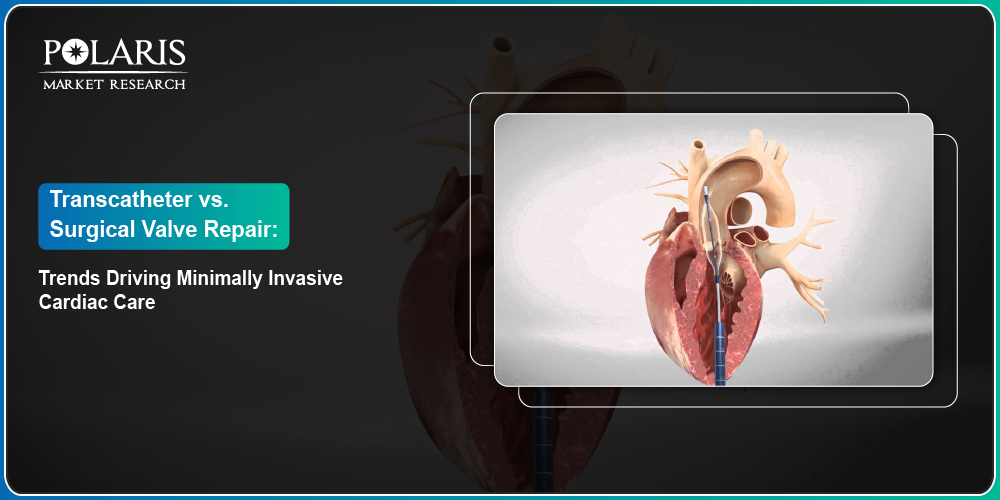
Introduction — The Evolution of Structural Heart Interventions
Heart valve care changed significantly over recent decades. Traditional surgery once guided most treatment decisions. Today, clinicians offer more personalized options.
Transcatheter vs. Surgical Valve Repair shapes many modern care discussions. Better imaging improved diagnosis and procedural planning. Faster recovery now influences patient preferences.
Healthcare providers increasingly focus on minimally invasive heart valve repair for eligible patients. These approaches reduce hospital stays and recovery periods.
Recent advancements in the treatment of structural heart disease have made treatment available to a broader patient population. Clinical teams are more selective in their risk assessment. Treatment decisions are based on age, presenting symptoms and the condition of the valves.
Transcatheter Procedures Explained
Transcatheter vs. Surgical Valve Repair continues shaping modern cardiac care. Catheter-based treatments avoid large surgical incisions. Recovery periods are often shorter. Many patients return home sooner. These procedures support personalized treatment decisions.
TAVR (Transcatheter Aortic Valve Replacement)
The TAVR procedure treats severe aortic valve narrowing. Doctors guide a catheter through blood vessels. The replacement valve expands inside the damaged valve.
Groin artery access is common for transcatheter aortic valve replacement. General anesthesia is not always needed. Most patients experience shorter hospital stays. Recovery usually takes days instead of weeks. Clinical outcomes continue improving with newer devices.
TMVR and Mitral Valve Innovations
Transcatheter aortic valve replacement treats selected mitral valve disorders. The procedure remains suitable for specific patients. Doctors use detailed imaging before treatment.
Advances in minimally invasive heart valve repair improved patient options. New devices help complex structural heart disease treatment strategies. Ongoing trials continue expanding clinical applications.
Left Atrial Appendage Closure
Left atrial appendage closure lowers stroke risk. It helps patients with atrial fibrillation. The procedure blocks a small heart pouch.
Growing cardiac catheterization trends support wider procedure adoption. Imaging tools improve planning and cardiovascular device placement. Recovery is usually quick and uncomplicated.
Surgical Valve Repair — Still Relevant?
Transcatheter vs. Surgical Valve Repair remains an important clinical discussion. Advances in minimally invasive heart valve repair changed patient expectations. Better imaging supports structural heart disease treatment decisions. Yet surgery still offers lasting benefits.
Open-Heart Surgery Use Cases
Open-heart surgery remains essential for complex valve conditions. Some patients need multiple valve procedures simultaneously. Younger patients may require durable repair solutions. Severe valve damage often needs direct surgical access. Treatment selection can also be influences by congenital abnormalities. Surgeons can address additional heart issues in surgery.
Surgical vs. Transcatheter Outcomes Comparison
Treatment outcomes depend on patient health and valve condition. Catheter based procedures often shorten hospital stays. Recovery usually takes less time after transcatheter treatment. Surgery may provide stronger long term durability. Complication risk varies between patient groups. Physicians compare images and medical history thoroughly. Shared decision making improves treatment satisfaction and outcomes.
Factors Driving the Shift to Minimally Invasive Options
Transcatheter vs. Surgical Valve Repair reflects changing patient expectations. Demand for minimally invasive heart valve repair continues increasing worldwide. Evolving cardiac catheterization trends support wider clinical adoption. Several factors now influence treatment selection.
Aging Population and Comorbidity Risk
Heart valve disease increases with age. Older adults often have multiple health conditions. Diabetes and kidney disease raise surgical risks. Frailty also affects recovery outcomes.
Doctors now consider less invasive options carefully. Personalized structural heart disease treatment improves patient selection. The TAVR procedure benefits many high risk patients.
Shorter Recovery Times and Hospital Stays
Patients increasingly value faster recovery experiences. Long hospital stays affect quality of life. Shorter recovery periods reduce healthcare costs.
Many patients return home within days. Minimally invasive procedures lower physical stress. Transcatheter aortic valve replacement often shortens hospital stays. Recovery usually needs less rehabilitation support.
Technological Advances in Catheter Design
Modern catheter systems became smaller and more flexible. Improved navigation supports better procedural accuracy. Device placement is easier with advanced imaging.
New materials provide improved safety and durability. Better delivery systems reduce risk of complications. Further innovation is supported by ongoing trends in cardiac catheterization. These advances expand treatment choices for structural heart disease.
Challenges in Adoption
Transcatheter vs. Surgical Valve Repair faces several adoption barriers. Demand for minimally invasive heart valve repair continues growing worldwide. However, healthcare systems still face structural heart disease treatment limitations.
Cost and Reimbursement Barriers
Advanced devices increase overall treatment costs. In many regions procedure expenses remain high. Insurance coverage differs in healthcare systems. Reimbursement policies often lag behind innovation. Hospitals require significant infrastructure investments. Sometime cost concerns may delay wider adoption.
Training and Skilled Workforce Shortage
These procedures require specialized clinical expertise. Training programs remain limited in some regions. Experienced teams improve procedural outcomes significantly. Imaging skills are equally important. Workforce shortages affect treatment availability. Continuous education helps safe and effective care.
FAQs
1.What is the main benefit of the TAVR procedure?
The TAVR procedure usually provides faster recovery and shorter hospital stays.
2.Who is eligible for minimally invasive heart valve repair?
Eligibility depends on valve condition, age, symptoms, and overall health.
3.Is surgical valve repair still necessary today?
Yes. Surgery remains important for complex structural heart disease treatment cases.
Conclusion
Heart valve care continues evolving through new technologies and treatment approaches. Less invasive procedures are changing patient experiences worldwide. However, surgical options still play an important role for complex cases.
Healthcare providers now focus on personalized treatment decisions and better outcomes.
To explore industry developments, technology trends, and growth opportunities, read the latest Structural Heart Procedures Market report. The report offers detailed insights into adoption patterns, innovation pipelines, and future market direction.