The world of healthcare is changing at a fast pace. New technology has transformed how healthcare professionals interact. One of the most useful advancements is remote patient monitoring (RPM). RPM has made it possible to watch a patient’s health data outside the hospital, offering several benefits.
As hospitals and clinics seek solutions that are easier and patient-friendly, RPM is becoming an important part of connected healthcare. This blog explains what remote patient monitoring is and how it works. It also sheds light on the key remote patient monitoring trends driving the market landscape.
What is Remote Patient Monitoring?
Remote patient monitoring makes use of electronic devices for continuous tracking of a patient’s health. These devices measure things such as blood pressure, glucose levels, and heart rate. They also measure other important health signals. The information from these devices is then sent to healthcare professionals in a secure way. After reviewing, the providers take the next step if something looks concerning.
RPM is different from traditional care, which involves patients visiting the doctor only at scheduled times. Instead, it provides real-time updates. This allows for early problem detection and reduces hospital visits. It also prevents complications and makes sure patients get the right care at the right time.
Did You Know?
The remote patient monitoring system market is expected to witness robust growth. The market for these systems is expected to account for a CAGR of 19.6% between 2025 and 2034. The remote patient monitoring system market is projected to reach USD 126.78 billion by 2034.
How Remote Patient Monitoring Works?
RPM makes use of medical devices and digital systems to track a patient’s health from home. The process goes like:
- Patient Enrollment and Device Setup: Patients receive easy-to-use devices such as glucometers and blood pressure monitors. These devices are created so that little effort is required from the patient to set them up.
- Data Collection: The devices automatically record health information. Some devices take daily readings. Others do continuous tracking of data and send alerts if something is wrong.
- Transmission of Data: The collected data is transferred securely from the patient’s home to the allocated data platform via Wi-Fi or cellular networks.
- Analysis of Collected Data with System Alerts: Doctors and service teams use AI systems to analyze data and identify variations in patient data. If any data points are identified as abnormal, the system generates alerts so action can be taken quickly.
- Patient Interaction by Healthcare Providers: Healthcare providers use telehealth or telephone interactions with patients to provide reassurance, consultation, pharmaceutical adjustments, and follow-up conversations and scheduling.
What Devices Are Used in Remote Patient Monitoring?
The machines used in RPM are part of the remote patient monitoring devices market. They include:
Wearables
Wearables take the form of smartwatches, fitness bands, and skin patches. These devices keep a continuous check on things such as oxygen level and heart rate. Their continuous collection of data allows doctors to get a complete picture of the patient’s health. These devices are easy to wear. They are also useful for long-term monitoring.
Blood Pressure Monitors
Smart blood pressure monitors allow patients to check their blood pressure at home. These readings are typically sent directly to a digital health platform. That way, doctors can identify unusual patterns and make quick adjustments to treatments. Home readings are also more accurate as patients are more relaxed.
Glucose Monitors
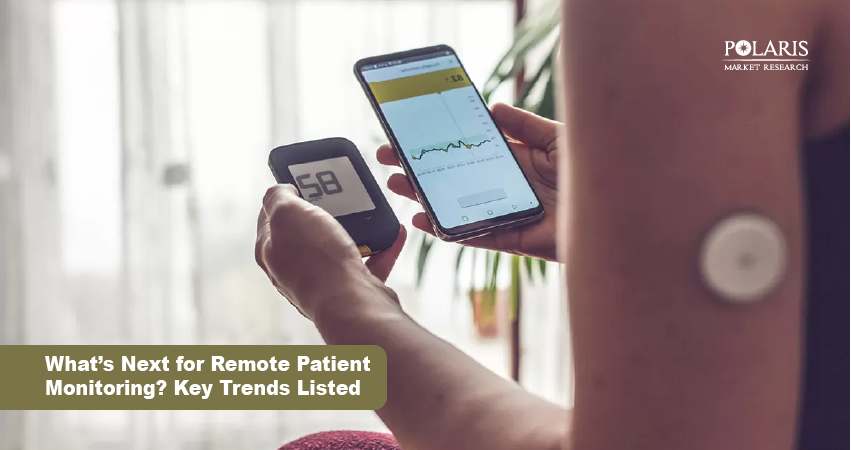
Glucose monitors are essential for people with diabetes. RPM makes use of both normal glucometers and continuous glucose meters. Continuous glucose monitors make use of small sensors to track blood sugar throughout the day. Doctors can review the data remotely and make adjustments to medications or diet plans.
Pulse Oximeters
Pulse oximeters measure the levels of oxygen in the blood and pulse rate. These oximeters are useful for people who have breathing problems such as COPD and asthma. They send alerts through the RPM system if there’s a drop in the oxygen levels. This allows doctors to act quickly and respond to emergencies.
What Are Major Remote Patient Monitoring Trends?
AI and Predictive Analytics
Artificial intelligence is now an important part of the remote patient monitoring system market. The technology collects large amounts of data. This data is used to find early signs of problems that doctors may not notice at first. Predictive analytics can warn healthcare teams before the condition of patients gets worse. AI can also learn the normal patterns of patients and provide personalized suggestions for treatment.
Wearable Technology Advancements
Wearables are getting better and more accurate. New devices can track advanced health details such as heart rhythm and stress. The longer battery life and improved comfort of these devices mean patients can wear them all day long. These upgrades also make RPM easier to use.
Home-based Monitoring
More people want care at home. This is especially the case with seniors and those with chronic conditions. RPM supports this by enabling the collection of health data from home devices. Doctors can keep track of changes without asking patients to visit the hospital. This makes care more convenient. It also reduces unnecessary hospital stays.
Integration with Telemedicine
RPM can now work smoothly with solutions from the telemedicine market. Doctors can view real-time health data during virtual appointments and use it to make accurate decisions. This is helpful for patients in remote areas. It also makes follow-ups easier. By integrating RPM with telemedicine, doctors can make adjustments to treatment without having to see the patient in person.
Conclusion
The remote patient monitoring system market has enabled patients and doctors to stay connected at all times. The continuous tracking of signals by RPM allows for early detection of health problems. It also improves the management of chronic diseases. As remote patient monitoring trends continue to evolve, RPM is expected to be an even more important aspect of healthcare.

.png)