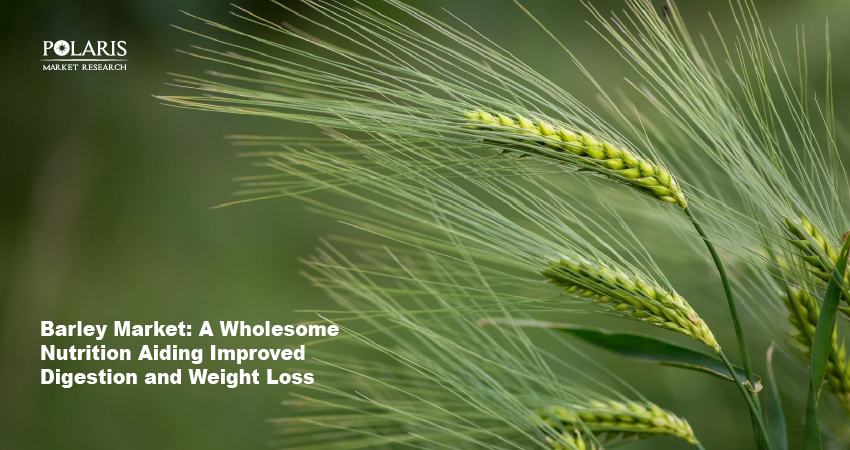
Barley is one of the oldest crops grown by humans. It has been an important part of our history for thousands of years. The grain has remained valuable as it can grow in various conditions and has several uses. Today, barley is one of the key constituents of global farming. It is used as a form of food and feed. Barley is also a main ingredient in brewing beer and making other beverages. Keep reading as we explain to you the essentials of the barley market and what’s driving it forward.
Barley: Overview
Barley is a cereal grain with a chewy appearance and gentle, nutty flavor. In the barley market, it's a seed from a grass that grows in temperate climates worldwide and is one of the foremost grains grown by the earliest civilizations. Cereals, soups, and other foods may contain barley, a type of grain and a familiar source of healthy nutrients. Hulled barley provides adequate fiber and may help reduce the risk of developing diabetes and obesity.
Barley Market Stats
We’ve done an in-depth assessment of the rapidly evolving barley market. Our assessment reveals the market for barley stood at USD 156.33 billion in 2024. It is projected to account for a CAGR of 3.50% during the projection period, 2025 to 2034.
Barley is a crucial component in animal feed, especially for livestock such as cattle and pigs. As global demand for meat products escalates, so does the need for animal feed, pushing up barley prices. The United Nations Food and Agriculture Organization (FAO) estimates that between 2010 and 2050, production of animal proteins will increase by about 1.7% annually, with meat production anticipated to grow by 90% in aquaculture, 55% in dairy, and nearly 70% in agriculture.
Barley Types and Uses
Hulled Barley
Hulled barley is a highly natural form of barley. Here, only the tough outer shell is removed. Most of the nutrients and fiber of barley are retained here. However, the cooking time for hulled barley is longer. It is often used in soups, stews, and whole-grain dishes.
Pearl Barley
The outer layer of this barley type is polished off. This gives it a smoother texture and reduces the cooking time. Small quantities of fiber and nutrients may be lost here, but it’s still very nutritious. Pearl barley is used in soups, risottos, and breakfast cereals. It is also offered by several key players in the organic cereals market.
Malted Barley
This type of barley is obtained by soaking, sprouting, and drying. It is used for making beer, whiskey, and malt-based food products. The malting process turns the starch into sugar, which is needed for brewing and fermentation.
Health Benefits of Barley
Sugar Control: Barley may assist in lowering blood sugar and insulin extent, which will lessen the probability of diabetes. Whole grain barley is an adequate source of fiber involving the soluble fiber beta-glucan, which retards the soaking up of sugar by securing it with the digestive tract. Barley has a low glycemic index, an estimate of how speedily a food raises blood sugar. In fact, barley's score of 28 is the lowest of all grains.
Improves Digestion: One and a half cups of raw hulled barley provides 17.3 grams of fiber, or 69% of the RDI for women and 46% for men. Dietary fiber increases stool bulk, making it easier to pass through the digestive tract. It may also encourage the growth of good bacteria within the digestive tract. Beta-glucan in barley may assist in sustaining healthy gut bacteria, escalating their probiotic activity.
Assist Weight Loss: Since the human body cannot digest fiber, fiber-rich foods add bulk to the diet without adding calories. This makes high-fiber foods practical for people looking to lose weight. In a study, two people who consumed barley for breakfast reported lower hunger at lunch and consumed less at later meals, compared with those who consumed rice or whole wheat. Barley is also considered a part of the obesity treatment market.
To Conclude
Barley is high in fiber, particularly beta-glucan, which may lessen cholesterol and blood sugar levels. It might also help with weight loss and enhance digestion. Whole-grained hulled barley is more nourishing than refined pearled barley. Increasing health awareness and the rising use of barley in functional foods are expected to drive demand for barley in the years to come.