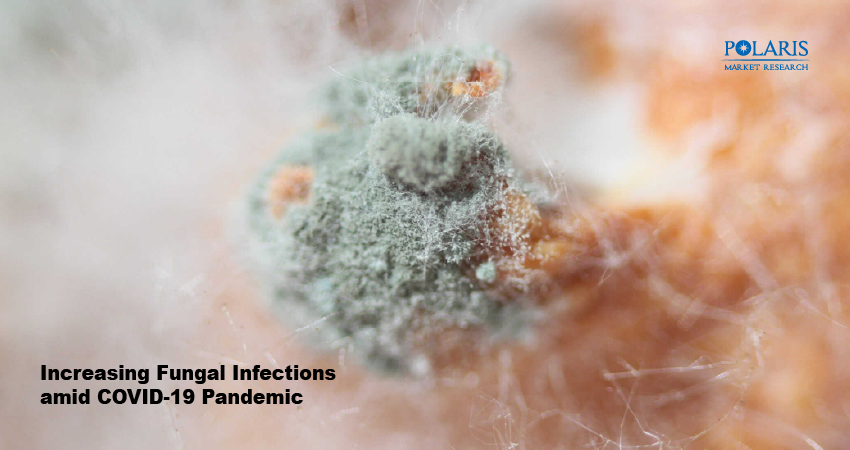
After the COVID-19 pandemic, many people started hearing about mucormycosis. Commonly known as “black fungus”, the rare infection suddenly became a major health concern as cases increased. Although the infection isn’t common, it can be serious and requires quick medical attention for preventing complications.
In this blog, we’ll explain the essentials of mucormycosis. We’ll also cover the key metrics you need to know about the mucormycosis market. Let’s continue!
Mucormycosis: Introduction
Mucormycosis is a rare type of fungal infection that. It can be lethal if left untreated. It's found in a variety of places, including soil, manure, plants, and decaying vegetables and fruits. It affects the sinuses, lungs, and brain. This infection can be fatal in diabetic patients or persons who are extremely immunocompromised, such as cancer patients and HIV/AIDS patients. Mucormycosis is life-threatening and has a high rate of morbidity and mortality despite treatment.
It primarily affects immunocompromised people who have undergone bone marrow and organ transplantation. Moreover, it spreads among individuals who have cancer, neutropenia, and skin damage. Immunocompetent patients are occasionally affected. Mucormycosis is caused by a group of molds known as mucormycosis. Mold spores can irritate the lungs and sinuses, and the fungus can enter the skin through wounds such as cuts, scrapes, burns, and other types of skin trauma. Mucormycosis leads to organ dysfunctions, blindness, and other problems requiring surgical treatments.
Mucormycosis Market Stats
Our analysis reveals the mucormycosis market to account for a CAGR of 3.4% during the forecast period, 2021 to 2028. The market is projected to reach USD 616.1 million by 2028.
Increased occurrence of fungal infections, rise in prevalence of immunological illnesses, and improved access to a wide range of products are driving the market. Furthermore, growing public awareness of fungal infection and increasing government assistance for R&D have fueled the market expansion. The global market for mucormycosis diagnosis and treatment will develop as the diabetic population grows and the number of transplant procedures rises.
Types of Mucormycosis
Rhino-Orbital-Cerebral Mucormycosis (ROCM)
This is a highly common mucormycosis type. It usually starts in the sinuses and makes its way to the eyes and brain. The infection often affects individuals with uncontrolled diabetes. Patients recovering from severe respiratory illnesses can also be affected. Common symptoms of ROCM include facial pain, nasal congestion, and swelling around the eyes. Patients may also have dark patches on the nose or palate.
Pulmonary (Lung) Mucormycosis
This type mainly affects the lungs. It is common in people who have weak immune systems. These include individuals who have been using steroids for a long time or are undergoing cancer treatment. The symptoms of pulmonary mucormycosis are quite similar to that of pneumonia. They may include fever, chest pain, and difficulty breathing.
Cutaneous (Skin) Mucormycosis
The development of this form begins when the fungus enters the body through cuts and wounds. It results in redness, blisters, or blackened skin tissue. Early detection of this mucormycosis type makes effective treatment possible.
Mucormycosis Market Regional Insights
The key factor driving the mucormycosis market in Europe, where the average diabetes prevalence rate in adults is increasing, is an expanding patient population of diabetes mellitus patients. The rising prevalence of diabetes in Europe has also led to increased demand for the diabetes devices market. Another major driver of market rapid expansion is favorable government initiatives aimed at boosting the anti-infective medication while lowering risk and manufacturing costs. The European Confederation of Medical Mycology (ECMM) has taken the lead in developing a global guideline for mucormycosis diagnosis and treatment.
The market in the Asia Pacific is predicted to grow rapidly in the coming years. The rising prevalence of HIV and the potential for establishing efficient diagnostics in underdeveloped emerging nations are creating major development opportunities. However, the difficulty of gaining market access will continue to be a major impediment to market growth in Asia.
Key Market Players
Leading market participants are Gilead Sciences, F. Hoffman-La Roche, Bristol Myers Squibb, Biocon Limited, Pfizer Inc., Johnson & Johnson, Abbott Laboratories, and Mylan Labs. These companies are focusing their resources and efforts on developing effective solutions to contain the spread of mucormycosis.
Conclusion
Mucormycosis shows us how serious infections can take advantage of a weakened immune system. The outbreak of “black fungus” during the pandemic highlighted the importance of cautious steroid use and better diabetes control. The mucormycosis market is witnessing the introduction of innovative diagnostic tools to help fight the infection better.