Introduction — From Simple Recorders to Smart Safety Devices
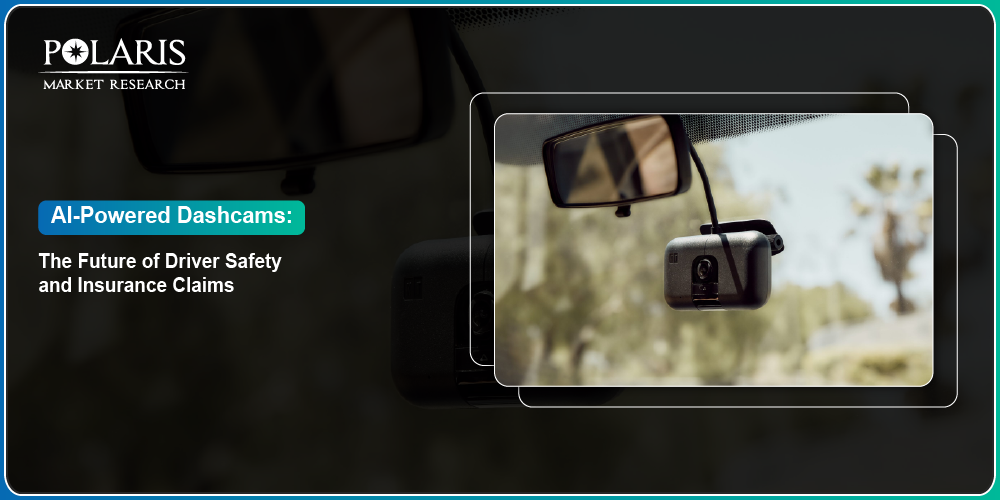
Automotive dashcams were once nothing more than recorders of trips and accidents. Their job was simple. Record footage and store it. Things are different now. AI-powered dashcams can understand what happens on the road. Earlier detection of risky situations by tracking driving pattern is easier. Many systems warn drivers about lane changes, distraction, or sudden braking. AI dashcam technology is helping drivers react faster in daily traffic. An accident detection camera can save important clips automatically after a crash. This footage supports claims and reduces disputes. Smart cameras are slowly becoming part of everyday driving.
Key AI Features in Modern Dashcams
Modern dashcams do more than capture road footage. They process data instantly. They study driving patterns and road conditions. AI-powered dashcams now support safer decisions in daily travel. AI dashcam technology and ADAS dashcam features help respond before risks grow.
Real-Time Collision Detection
Real-time collision detection watches vehicles, lanes, and road speed. It compares movement patterns every second. The system warns drivers before possible impact. Some cameras identify sudden braking and unsafe gaps. An accident detection camera stores footage when unusual movement appears. This reduces missing evidence after crashes. Many fleet dashcam solutions use this feature to improve safety. It also flags nearby pedestrians and cyclists early.
Driver Fatigue and Distraction Alerts
Driver fatigue often develops without clear signs. Smart cameras track eye movement and head position. They also monitor phone use and frequent yawning. The system sends audio or visual alerts instantly. Fast warning helps drivers take a break in time. Long distance operators benefit the most from these features. Better attention lowers risky decisions during heavy traffic and late night trips. Managers review repeated distractions during later safety sessions.
Automatic Incident Reporting
After a serious event, fast reporting matters. Modern systems upload clips automatically, can share location, speed and time details, which cuts down on paperwork and delays. Emergency teams get info earlier, and insurers get clearer evidence when they review. Quicker processing might justify a dashcam insurance discount for responsible drivers, and companies use reports to improve training after similar incidents.
Impact on Auto Insurance Claims
Insurance claims often take time and create disputes. Video evidence changes that process. Modern systems record events with useful driving data. AI dashcam technology enables insurers to review incidents more quickly. An accident detection camera automatically records critical moments. Evidentiary footage enhances trust between drivers and insurers.
Faster Claims Processing with Video Evidence
After an accident, details can become unclear quickly. Drivers may remember events differently. A clear timeline is provided by video footage. Insurers review clips instead of lengthy statements. Location, speed, and timestamps add more context. This reduces delays in investigations. An ADAS dashcam can also capture warning alerts before impact. Fleet dashcam solutions support companies manage multiple claims more efficiently.
Usage-Based Insurance (UBI) and Premium Savings
Insurance companies are beginning to pay closer attention to user driving habits. Good driving can lower your overall risk score. Some plans track things like hard braking, speeding and distracted driving. Drivers with good records may enjoy lower rates. Real world driving data helps develop more equitable pricing models. Many insurers now utilize camera data to assess your risk. Responsible drivers may be eligible for a dashcam insurance discount. This benefits insurance companies and policyholders.
Reducing Fraudulent Claims
Fraudulent claims cost money to insurers and drivers. Video evidence helps reduce confusion after road incidents. Recorded footage shows what happened before impact reducing staged accidents and false statements. Insurers are more confident to validate claims. Faster verification reduces investigation costs and improves claim accuracy.
Dashcams in Commercial Fleet Management
Running a vehicle fleet brings daily risks. One mistake can raise costs quickly. AI-powered dashcams help businesses understand what happens on the road. Fleet dashcam solutions give managers better visibility across operations. Smart fleet management ADAS dashcam features support safer driving during long routes.
Driver Behavior Monitoring
Drivers face changing traffic conditions every day. Smart cameras track harsh braking and sudden acceleration. They also identify speeding and distracted driving. Alerts appear when risky behavior continues. Managers review reports after each trip. Coaching becomes easier with real examples. Small improvements often reduce accidents and maintenance costs.
Liability Protection for Fleet Operators
Disputes after accidents can take weeks to resolve. Video footage provides a clear chain of events. An accident detection camera automatically saves the clips after impact. Less reliance on witness statements. Recorded evidence supports with faster claim reviews. Fleet operators can respond with confidence in investigations.
Regional Adoption Trends
Demand patterns vary in regions. Adoption rates depend on local regulations and insurance practices. Globally, AI dashcams are getting attention for a variety of reasons. AI dashcam technology helps to speed up claim reviews, while fleet dashcam solutions improve safety for commercial vehicles.
North America and Insurance-Linked Mandates
North America continues to be a key market for smart dashcams. Insurance companies are increasingly using video evidence in the claims process. Commercial fleets are also investing in safety monitoring tools. The United States has a high level of demand from logistics operators. Data is impacting risk assessment even more. Some insurers are actively promoting the use of cameras through policy benefits and quick claims processing. This trend supports long-term market growth.
Asia-Pacific Growth Drivers
Asia-Pacific leads adoption because of rising road accidents. Dispute cases are also increasing across developing economies. China and India show strong demand in passenger vehicles. Commercial operators continue expanding camera installations. Rising demand for video evidence is driving market growth. High road fatality rates in countries such as Thailand are backing market growth. Improved road awareness is supporting adoption.
FAQs
1.Do dashcams reduce insurance claim time?
Yes. Video evidence helps insurers verify incidents faster.
2.Can drivers get lower premiums with dashcams?
Some insurers offer discounts for safer driving records.
3.Are AI dashcams useful for small fleets?
Yes. They improve driver monitoring and reduce liability risks.
Conclusion
Dashcams are becoming important safety tools for drivers and businesses. They help faster claims and better road awareness. Increasing adoption is transforming the industry. For additional details, trends and future opportunities see the latest Automotive Dashcam Market report.