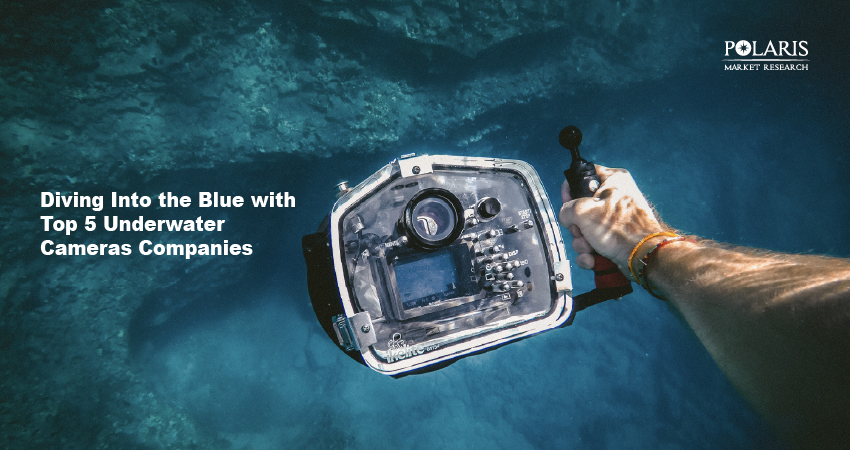
Underwater photography used to be performed primarily by experts such as professional divers and scientific researchers. But advancements in camera technology and materials have made it available to everyday travelers, video and photo content creators, and researchers. With underwater cameras, people can document a whole new world that exists beneath the water's surface.
This article dives into the underwater camera market. It gives an overview of what underwater cameras are, how they function, and what they can be used for. It also explains the top underwater cameras companies are at the forefront of developing advanced underwater camera technology.
What Are Underwater Cameras?
An underwater camera is a specialized camera used to take photos and videos under the water without getting damaged. Regular cameras can’t function if water gets into them. Underwater cameras, on the other hand, have waterproof covers and strong materials that seal them. This helps keep the inside parts protected. Water can be dark or blurry. Also, there are often tiny particles in water. As such, underwater cameras come with bright sensors and other features that improve colors and lighting.
How Underwater Cameras Work?
Underwater cameras make use of strong protection and smart features. This allows them to deal with water, low light, and pressure. Here’s how these cameras work:
- Waterproof Body: The camera is tightly sealed to make sure that water can’t get inside. Rubber rings and strong outer casings keep the lens and other parts safe.
- Pressure Protection: Water pressure gets stronger as depth increases. Underwater cameras are designed for handling this pressure. Some cameras work up to 10 meters. Professional cameras by underwater camera companies can be used up to 100 meters or even more.
- Light Adjustment: Things appear darker underwater. Colors like red and yellow may also get removed. These cameras make use of special filters and bright sensors from the camera modules market to bring back these real colors.
- Wide Lenses: Scenes underwater are big and open. As such, the camera makes use of wide-angle lenses to bring back the real colors.
- Stabilization: The movement of water can shake the camera. Stabilization technology is used to reduce blur and make photos and videos look clear.
Where Are Underwater Cameras Used?
Photography of Water Bodies
Underwater photography, with the aid of underwater cameras, allows marine photographers to document the beauty of the oceans. It allows them to do so through photographs of reefs, fish, shipwrecks, and any other underwater scenes.
Scientific Research
Scientists use these cameras for studying marine life and underwater environments. They help scientists in recording animals, plants, and habitats so they can have a better understanding of how marine ecosystems work.
Recreational Activities
Underwater cameras are used by individuals when performing activities such as snorkeling, scuba diving, or swimming. These cameras allow them to record their underwater adventures and share those moments with their loved ones. Trail cameras from the trail cameras market can also be used for recreational purposes.
Which Companies Offer Underwater Cameras?
GoPro
GoPro offers versatile action cameras that are waterproof to 10 meters out of the box. When paired with the official GoPro Protective Housing, the cameras can be used up to a depth of 60 meters. The cameras are capable of recording stunning 5.3K video at 60fps and 4K at 120fps. They capture 10-bit color and new HLG HDR for true-to-life detail underwater. The company also offers accessories such as red filters and video lights for the accurate reproduction of color at depth.
Canon
Canon provides waterproof point-and-shoot cameras under its PowerShot D-series. These cameras are compact and tough. They are engineered for use in harsh conditions without the need for an additional case. Its Canon PowerShot D30 can operate up to a depth of 25 meters. The camera is also shock-proof up to 2 meters drops and freeze-proof up to 10 degrees Celsius. For professional photography, the high-performance mirrorless and DSLR cameras by Canon can be used with specialized third-party waterproof housings.
Sony
Sony has two main types of underwater camera solutions. The Sony Cyber-shot DSC-RX0 II compact camera is waterproof to 10 meters on its own. The camera features a 1.0-inch Exmor RS CMOS sensor for high image quality. Also, it can record 4K 30p video internally. It has a tough build and provides excellent image quality for its small size. Sony’s Alpha mirrorless cameras can be used for professional photography and videography using a dedicated third-party underwater housing. The company is also operational in the multispectral camera market.
Olympus
Olympus operates under the OM System brand for its camera division. The company is known for its Tough TG series of underwater cameras. The OM System Tough TG-7 is an underwater compact camera that can be used by both beginners and experienced photographers. The camera is waterproof up to 15 meters and freeze-proof up to -10 degrees Celsius. It comes with five underwater shooting modes. The camera also has dedicated underwater white balance presets that help capture natural colors.
SeaLife
SeaLife offers user-friendly underwater cameras and smartphones. The company focuses on simplicity and essential features for divers and snorkelers. Its main offerings include the SeaLife Micro 3.0 and the SeaLife SportDiver. The SeaLife Micro 3.0 camera is permanently sealed, which takes away the risk of flooding. It has a 16MP Sony CMOS sensor for sharp photos and records 4K video at 30fps. The SeaLife SportDiver housing turns compatible smartphones into functional underwater cameras.
What Are Recent Underwater Cameras Market Developments?
Yanmar–Sony Joint Venture for Underwater Sensing Technology
Yanmar Blue Tech Co., Ltd. is a new strategic partnership between Yanmar Holdings and Sony Group. Yanmar states that this partnership intends to assist in the evolution of underwater sensing solutions. It was established in September 2025 and combines Yanmar’s expertise in marine environments with its commitment to sustainable practices, with Sony’s advanced sensors.
As part of its goal, the partnership will address challenges within the oceans, which include protecting and conserving marine ecosystems as well as alleviating the physical burden on divers when conducting layup and cleaning tasks underwater. The first project of this partnership focuses on developing remotely operated vehicles (ROVs) capable of performing survey and cleaning tasks on ship hulls and other underwater surfaces.
Conclusion
Underwater cameras from the underwater cameras market help people record the amazing world under the water. Using these cameras, it’s possible to capture coral reefs and shipwrecks that can’t be seen from the surface. These cameras allow everyone to share underwater moments in a beautiful way. As technology advances, the underwater cameras companies are expected to introduce cameras that are more affordable and powerful.