Key Takeaways
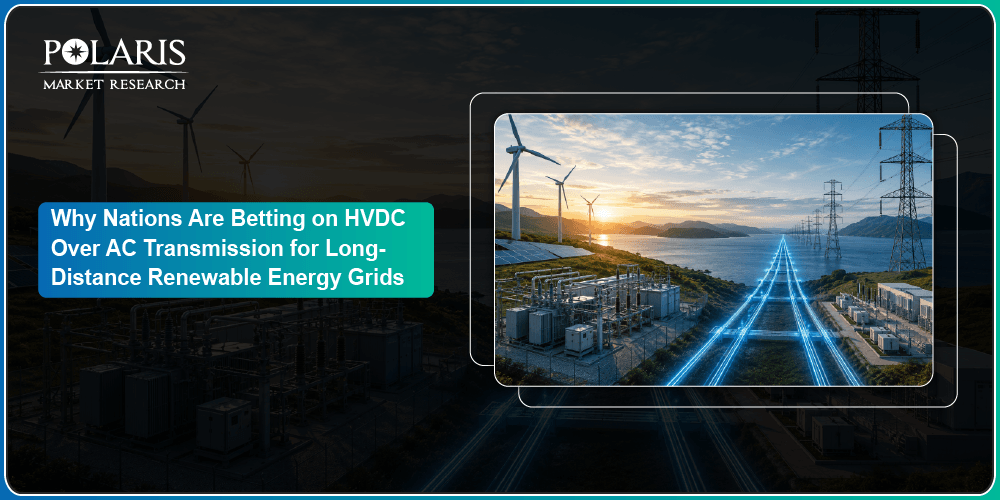
HVDC Transmission is becoming a key part of modern energy systems. It enables efficient electricity transfer across long distances with lower power losses. Growing renewable energy transmission needs stronger links between generation sites and demand centers. Renewable energy integration supports the expansion of large-scale wind and solar projects. Grid modernization efforts are increasing investments in advanced networks. Smart grid technology improves system monitoring and control, while stronger power transmission infrastructure enhances reliability, energy security, and long-term sustainability.
Renewable Energy's Transmission Challenge
Most renewable projects are built far from cities and industries. Wind farms operate in coastal and desert areas. Large solar plants need wide open land. These locations often lack strong grid connections. As a result, utilities must move electricity across longer distances.
Existing networks were designed for traditional power plants. They were not built for changing power flows. Increasing electricity demand adds more pressure on aging systems. Renewable energy transmission requires stronger and more flexible networks.
Weather conditions affect power generation throughout the day. Wind and solar production can change quickly. Grid operators must constantly balance supply and demand. Integrating renewable energy is difficult, without better coordination in regions and utilities.
Building new lines takes years to complete. Land acquisition and approvals often cause delays. Upgrading power transmission infrastructure needs major investments and long term planning. HVDC Transmission is becoming an important option for modern energy systems.
Understanding HVDC Technology
HVDC Transmission moves electricity using direct current systems. It supports efficient power transfer in long distances.
HVDC vs AC: Key Differences
AC systems change current direction many times each second. Direct current flows in one direction only. Most existing grids still use AC technology. AC functions well for local electricity distribution. However, losses increase over longer distances. High voltage direct current reduces these losses. It also provides better control over power flow. These systems connect separate grids with different frequencies. Converter stations change electricity between both current types. Undersea cables also perform better with direct current. Renewable energy integration becomes easier across distant regions.
Efficiency and Cost Benefits
Converter stations increase project costs during the early stages. However, operating costs are usually lower with time. Long distance lines lose less electricity during transmission. Less conductors means less material. Maintenance requirements are often less than traditional systems. Projects may require less land in some cases. Strong power transmission infrastructure supports future electricity demand. Better networks increase reliability in connected regions. Grid modernization is propelling investments in advanced transmission systems. These advantages improve long term project value.
Why Governments Favor HVDC Investments
Many countries are increasing investments in clean energy projects. Wind and solar capacity continue to grow every year. However, these projects are often located far from cities. Renewable energy transmission needs stronger long-distance connections.
Governments want reliable electricity systems with lower energy losses. Existing grids cannot always help changing power flows. High voltage direct current helps move electricity efficiently in regions. It also supports connections between separate national grids.
Energy security is another major priority for policymakers. Cross border links reduce dependence on single energy sources. Stronger networks improve system reliability during demand peaks. Countries can share electricity during supply shortages.
Grid modernization plans are expanding in developed and emerging economies. Utilities need better control over complicated power systems. Smart grid technology supports operators monitor and manage networks. Digital tools also improve planning and maintenance activities.
Building a stronger power transmission infrastructure helps to support future electricity demand. Such projects provide long term economic and environmental benefits. Integrating renewables more quickly helps countries to meet climate goals. HVDC Transmission is becoming an important part of national energy strategies.
Major Global HVDC Projects in 2026
Large transmission projects are expanding in many regions. Governments want stronger and more connected electricity networks. These projects help renewable energy transmission from remote locations. They also improve energy security between countries.
The United States is advancing the SunZia project. It will connect wind resources to western states. The line stretches across New Mexico and Arizona. It can deliver up to 3,000 megawatts of power. HVDC Transmission plays a central role in this project.
In North America, the Champlain Hudson Power Express continues development. The project links Canadian hydropower with New York City. It will deliver electricity through underground and underwater cables. The project supports renewable energy integration in urban areas.
Europe is investing heavily in cross-border interconnections. The NeuConnect project will link Germany and the United Kingdom. Germany is also developing SuedOstLink and A-Nord projects. These links support offshore wind expansion and regional cooperation.
China and India continue expanding long distance transmission networks. Both countries are investing in high voltage direct current systems. These projects move electricity from resource rich regions. They also strengthen power transmission infrastructure for future demand. The increasing investments point out the significance of advanced transmission networks globally.
Impact on Renewable Energy Expansion and Grid Stability
Wind and solar projects are growing across many countries. These projects are often located far from cities. Renewable energy transmission helps move electricity from remote areas. Stronger networks reduce congestion across existing systems.
Renewable energy integration becomes easier with better regional connections. Utilities can balance supply and demand more effectively. Extra electricity can move to areas with higher demand. This reduces the risk of power shortages.
Weather conditions can affect renewable power generation. Wind speeds and sunlight levels change every day. Grid operators need flexible systems to manage these changes. Faster response times improve overall network stability.
HVDC Transmission supports controlled power flow across long distances. It supports connect separate grids and energy markets. Operators can move electricity where it is needed most. This improves reliability during peak demand periods.
Modern energy systems need stronger and more flexible networks. Smart grid technology helps utilities monitor electricity flows in real time. Ongoing investments in power transmission infrastructure support future energy needs. Better transmission networks strengthen reliability and support clean energy goals.
Conclusion
Countries are expanding clean energy capacity at a rapid pace. This shift needs stronger and more flexible networks. Renewable energy transmission is becoming essential for moving power efficiently. Existing systems cannot meet future electricity demand alone.
HVDC Transmission offers lower losses across long distances. It also improves reliability between connected regions. Governments are increasing investments in new transmission projects worldwide. High voltage direct current supports better control of electricity flows.
Grid modernization will continue shaping future energy systems. Better power transmission infrastructure can improve energy security and resilience. As renewable energy integration increases, advanced transmission technologies will play a larger role in building stable and reliable power networks.

 Market 2025 (1).png)