
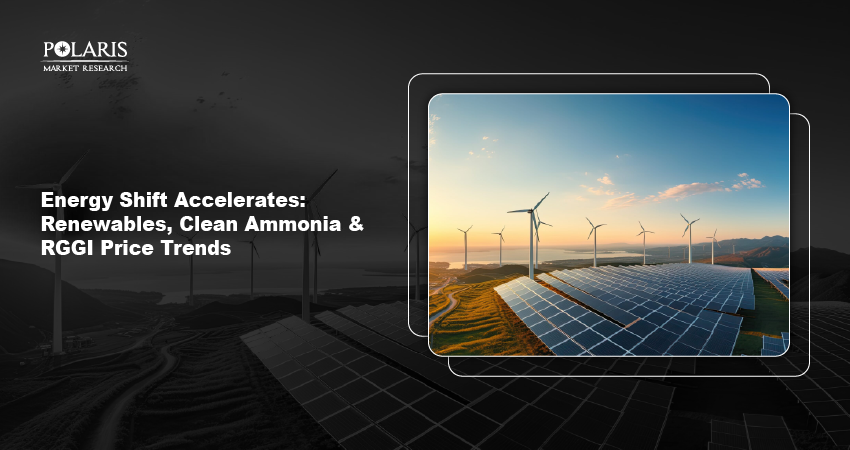
The global energy transition is changing how power is produced and used. Countries and industries are increasing renewable energy investment to build cleaner and more reliable systems. Solar and wind are expanding fast, supported by strong policy focus and rising demand for sustainability. At the same time, energy storage systems are becoming important to manage supply gaps and ensure stable power. Technologies, including green ammonia and hydrogen-based solutions, are gaining attention for long-term storage and transport. Carbon pricing, including RGGI prices, is shaping how companies plan their move toward environmentally responsible operations. This change is becoming a major strategic goal, as nations prioritize achieving lasting energy independence. In this blog, we look at key renewable energy trends and how they may influence future energy systems.
What Are the Current Trends in Renewable Energy?
Renewable energy is rising consistently across global markets. Countries are expanding renewable energy investment to reduce dependence on fossil fuels and support energy security. Solar energy continues to see high demand because of lower installation costs and increased use across homes and industries. Offshore wind energy is also expanding, especially in large-scale projects, as it offers higher and more consistent output. These changes show how energy systems are slowly shifting toward sources with less environmental affect.
Another essential trend is the use of energy storage systems alongside renewable energy. Solar and wind do not generate power at all times, so storage supports balancing the supply when demand is high. This has increased the use of batteries and other storage solutions, such as hydrogen energy storage. In this area, the green hydrogen market is gaining attention for its ability to store energy for longer periods. These solutions also support improving grid stability and help continuous power supply. Utilities are upgrading their networks to handle more renewable energy.
At the same time, green energy trends 2026 show stronger government help and clear long-term targets. Policies and incentives are helping speed up adoption. This is encouraging companies to invest and compete in the clean energy market. Many developing regions are also increasing renewable capacity to meet rising energy needs.
Renewable energy is now seen as both an environmental and strategic priority for long-term energy independence.
How is Clean Ammonia Revolutionizing Energy Storage Systems?
Clean ammonia is becoming a practical option for energy storage and transport. It is produced using renewable sources, which supports the ongoing energy transition. Unlike traditional fuels, it does not release carbon emissions during use. This makes it suitable for industries that are working to lower emissions while maintaining stable operations.
One of the main strengths of green ammonia is its ability to store energy for longer periods. Renewable sources like solar and wind do not generate power all the time. Clean ammonia stores excess energy and makes it available when needed. This supports with better supply management and helps maintaining a steady flow of power. It is also useful for large-scale energy storage systems, especially in areas where long-duration storage is required.
Another advantage is that ammonia is convenient to store and transport compared to hydrogen. In many cases, available infrastructure can be used with some adjustments. This makes ammonia as fuel a practical option for sectors including shipping, power generation, and heavy industries. It also helps the role of hydrogen in energy transition, as ammonia can carry hydrogen and release it when required.
With changing renewable energy trends, clean ammonia is expected to play an important role in improving energy flexibility and supporting reliable power systems.
Why Are RGGI Price Trends Important for Energy Storage Systems?
RGGI prices play a key role in shaping how energy markets operate. The Regional Greenhouse Gas Initiative introduces a price on carbon emissions from power plants. This generates a financial signal for companies to lower emissions and shift toward cleaner energy sources. As RGGI prices climb, the cost of using fossil fuels also rises. This makes cleaner options more attractive.
For energy storage systems, these price trends create clear possibilities. Storage helps managing energy use during high pricing periods. Companies can store energy when prices are low and use it when prices increase. This improves cost efficiency and helps with better energy planning. It also backs utilities in balancing supply and demand more effectively.
Higher carbon prices also encourage investment in the clean energy market. As fossil fuel-based power becomes more expensive, renewable energy becomes a more viable option. This increases the need for storage solutions to manage variations in solar and wind generation. In this way, RGGI pricing helps the transition toward cleaner energy systems.
RGGI trends also influence long-term investment decisions. Companies and utilities look at price patterns to plan infrastructure upgrades and adopt new technologies. Storage systems become more valuable in markets where carbon costs are rising. This helps improve grid stability and supports reliable power delivery.
Overall, RGGI pricing acts as a market signal. It pushes the shift toward cleaner systems while increasing the importance of efficient and flexible energy storage solutions.
When Will Energy Storage Systems Become Mainstream?
Energy storage systems are moving closer to mainstream adoption as the energy landscape continues to change. The growing shift toward renewable sources is increasing the need for reliable storage solutions. Solar and wind do not produce power at all times, so storage helps maintain a consistent supply. This makes energy storage systems an important part of modern energy planning.
The timeline for wider adoption is expected to strengthen over the next decade. Falling battery costs are making storage more affordable for utilities, businesses, and even households. At the same time, improvements in technology are rising efficiency and performance. These factors are supporting with faster installation across various sectors.
Government policies are also playing a major role. Incentives, subsidies, and climate targets are encouraging investments in storage options. Many countries are including storage as part of their long-term energy transition strategies. This is helping build the infrastructure needed for large-scale use.
In addition, rising demand for reliable power is pushing adoption forward. Businesses are using storage to manage energy costs and reduce dependence on an unstable supply. Utilities are using it to improve grid stability and handle peak demand. These developments are also associated with broader renewable energy trends, where storage helps ensure consistent energy delivery.
In general, energy storage systems are expected to become more common between 2026 and 2034, driven by cost improvements, policy support, and increasing demand for clean and stable energy.
Where to Invest in Energy Storage Solutions for Future Growth?
Investment in energy storage is increasing as demand for reliable and flexible power systems grows. Utility-scale battery projects are one of the main areas attracting capital. These projects support grid stability and help manage large amounts of renewable energy. As solar energy growth continues and wind capacity expands, the need for large-scale energy storage systems is also rising.
Another main area is grid modernization. Investments in smart grids and digital infrastructure are increasing how energy is distributed and managed. These systems allow better integration of renewable sources and help with real-time monitoring of supply and demand. This is becoming important as part of the broader energy transition, where efficient energy management is required.
Emerging markets are also offering strong investment possibilities. Regions in Asia Pacific, Latin America, and the Middle East are expanding their energy infrastructure to meet growing demand. These regions are increasing renewable energy investment, which is creating demand for storage solutions. Investors are focusing on these markets due to their long-term growth potential and the expanding clean energy market.
In addition, new technologies are opening further opportunities. Solutions, including hydrogen energy storage and advanced battery systems, are gaining attention. The green hydrogen market is also developing, helping with long-term storage needs.
On the whole, investment in energy storage is expected to grow steadily, fueled by rising demand, policy support, and evolving renewable energy trends.
How Can Businesses Leverage Energy Storage Systems for Sustainability?
Companies are consistently using energy storage systems to develop how they handle power across activities. Instead of being limited to a grid supply, businesses can decide when to store energy and when to use it. This supports managing costs in a more controlled way and reduces the impact of sudden price changes.
Energy storage also makes it easier to use renewable sources in daily operations. Power generated from solar or wind can be stored and used later on when generation is low. This supports cleaner energy use and allows businesses to move forward with the energy transition without affecting performance. It also helps meet regulatory requirements and internal sustainability goals.
In addition, storage improves operational continuity. Power disruptions can interrupt processes and lead to losses. With storage systems in place, businesses can keep important functions running during such situations. This adds a layer of dependability to regular operations.
Adopting storage solutions reflects a long-term plan for energy use. It helps strengthening a company’s place in the clean energy market and shows preparedness for evolving industry dynamics. As renewable energy trends evolve, businesses with storage capabilities are better able to adapt.
Overall, energy storage supports cost control, operational stability, and sustainable growth in a practical way.
What Role Do Energy Storage Systems Play in Renewable Energy Integration?
Energy storage systems are essential for integrating renewable energy into daily power use. Solar and wind output varies due to weather and time conditions. Energy storage systems help manage this variation by storing excess power and supplying it when needed. This makes renewable energy more dependable across different usage periods.
This approach improves how clean power is utilized. Instead of wasting surplus generation, stored energy can be redirected to meet demand later. This supports better use of solar energy growth and wind capacity while reducing reliance on fossil-based backup systems. It also helps utilities manage energy flow more efficiently.
Storage also supports stabilize grid performance. Changes in renewable output can affect system balance, and storage supports manage these fluctuations to keep the electricity supply consistent. This becomes more essential as the energy transition progresses and renewable energy shares increases.
Another advantage is its role in decentralized systems. Stored energy can be used near the point of demand, which reduces pressure on transmission networks. It also helps the growth of more flexible energy systems within the clean energy market.
In summary, storage enhances grid reliability, helps the role of hydrogen in the energy transition, and aligns with ongoing renewable energy trends.
How Do Policy Changes Impact Energy Storage Systems?
Policy changes are influencing how energy storage systems are adopted. Financial support, such as tax credits, subsidies, and funding programs, helps lower upfront costs. This makes storage projects more practical for businesses and utilities and helps long-term planning.
Regulations are becoming clearer, especially for grid integration, safety, and market participation. This improves how storage systems operate within existing infrastructure and reduces uncertainty, helping with faster deployment. In some regions, storage is now treated as a separate asset, which supports its commercial use.
Carbon pricing, including RGGI prices, is influencing decisions. As emission costs rise, fossil fuel-based power becomes less attractive. This increases the need for storage systems that support renewable energy. Renewable targets are also encouraging storage use alongside solar and wind projects.
Overall, financial support, clearer rules, and carbon policies are expanding the use of energy storage systems and supporting the shift toward cleaner energy.
What Innovations Are Driving Energy Storage Systems Forward?
Advancements in technology are improving how energy storage systems perform and scale. Battery technology continues to evolve, with improvements in efficiency, lifespan, and charging speed. Lithium-ion batteries remain largely used, while newer options such as solid-state batteries are gaining attention for better safety and energy density.
At the same time, alternative storage methods are being explored. Hydrogen energy storage is becoming more relevant for long-duration applications. In this space, the green hydrogen market is expanding, providing new ways to store excess renewable energy. These solutions help with better energy management across large-scale systems.
Digital technologies are also playing a major role. Smart energy management systems use data and automation to improve how storage operations are controlled. This helps optimize energy use, reduce waste, and improve system performance. Smart grids are streamlining the process of balancing energy supply and demand, allowing for real-time adjustments.
In addition, modular and scalable storage designs are improving flexibility. Businesses and utilities can expand storage capacity based on changing needs. These innovations are supporting the broader energy transition and aligning with ongoing renewable energy trends. In summary, continuous improvements in battery technology, alternative storage methods, and digital systems are influencing the future of energy storage.
How to Evaluate Energy Storage Systems for Your Needs?
Selecting the right system depends on practical requirements. Businesses should review their energy usage and identify peak demand periods. This supports determining the required capacity and storage duration for energy storage systems.
Cost is another key factor. Initial investment, operating cost, and system life should be considered together. Efficiency matters, as it impacts shows much energy is lost during storage and use. This becomes important when aligning with renewable energy investment plans.
Compatibility with existing systems should also be checked. The solution must work well with renewable sources and support long-term goals in the clean energy market. Safety and reliability should be reviewed before final selection.
In addition, businesses should consider how the system fits within the broader energy transition. A scalable solution helps adjust to changing needs and supports future expansion.
Conclusion
The energy landscape is moving through a steady energy transition, with growing focus on cleaner and more reliable systems. Rising renewable energy investment and strong solar energy growth are shaping how power is generated and used. At the same time, solutions such as green ammonia and hydrogen energy storage are expanding options for long-term storage and flexibility.
Carbon pricing mechanisms, including RGGI prices, are influencing how companies and utilities plan their operations. These changes are supporting the shift toward the clean energy market and encouraging better use of storage technologies. As renewable energy trends continue to evolve, energy storage systems are becoming more important for maintaining a stable supply and improving system efficiency.
Businesses and governments are adjusting by focusing on practical and scalable solutions. The growth of the green hydrogen market and increased use of storage technologies show this shift. In summary, energy storage systems are becoming essential for building a more balanced, flexible, and sustainable energy system.
Frequently Asked Questions
- What are energy storage systems, and why are they important?
Energy storage systems store energy for after use. They help manage supply when demand is high. They support renewable energy and improve power reliability. They also reduce dependence on fossil fuels.
- How do renewable energy sources impact energy storage systems?
Renewable sources like solar and wind are not constant. This increases the need for energy storage systems. Storage helps balance supply and demand. It also supports stable energy use.
- What is the relationship between clean ammonia and energy storage systems?
Clean ammonia is used for long-term energy storage. It stores energy produced from renewable sources. It also supports hydrogen energy storage. This helps improve system flexibility.
- Why should businesses consider investing in energy storage systems now?
Energy storage helps reduce energy costs. It improves reliability during power disruptions. It also supports sustainability goals. Businesses can stay competitive in the clean energy market.
- How do RGGI price trends affect the viability of energy storage systems?
RGGI prices increase the cost of carbon emissions. This makes fossil fuel energy more expensive. Energy storage becomes more useful with rising costs. It supports the energy transition.
- What are the best practices for implementing energy storage systems?
Understand energy usage and demand patterns. Select the right capacity and system type. Confirm compatibility with available infrastructure. Focus on safety and long-term performance.
- How does government regulation influence energy storage systems?
Policies provide incentives and financial help. Regulations help with grid integration and safety. Carbon pricing also increases demand for storage. This supports renewable energy trends.
- How can companies effectively utilize energy storage systems to boost their sustainability goals?
Companies can store and use renewable energy efficiently. This reduces emissions and energy costs. It supports long-term sustainability targets. It also aligns with the energy transition.


 Market 2025 (1).png)


