The asphalt paver is an important element of any paving job. The equipment distributes and levels asphalt, no matter what the project requirement is. Asphalt pavers can determine the success of a job, so knowing their basics, operation, and types is highly important. Keep reading as we explain to you all that you need to know about the asphalt pavers market.
What Are Asphalt Pavers?
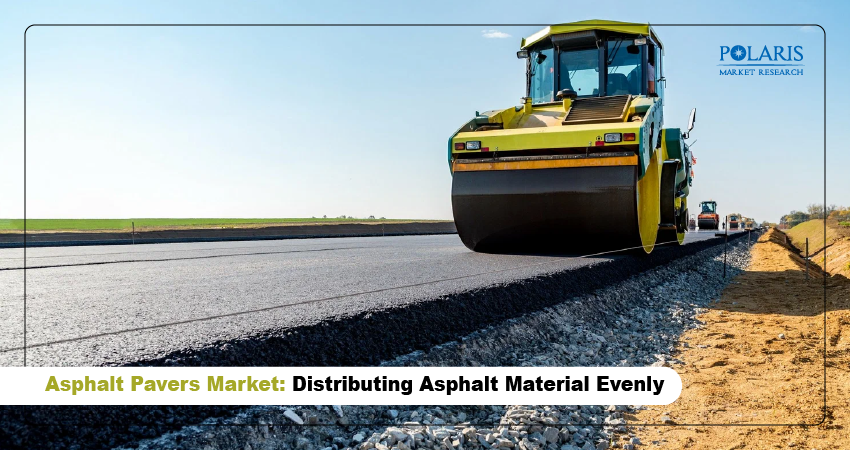
Asphalt pavers are large equipment used for laying asphalt. These pavers can lay asphalt in various environments, including bridges, roads, highways, or parking lots. Their role is to lay the material flat and lightly compact it before the operation of the road roller. Asphalt pavers have tracks or tires for self-propulsion. As such, they save crew time and also conserve their energy.
Did You Know?
Our assessment of the asphalt pavers market reveals the market to witness sustained growth in the years to come. The market for these pavers stood at USD 2.4 billion in 2024. It is projected to account for a CAGR of 3.70% between 2025 and 2034.
How Do Asphalt Pavers Work?
Asphalt pavers have the job of distributing and compacting layers of asphalt over surfaces. Tires or tracks are present in these machines for self-propulsion. But some may be towed using a dump truck.
There are two main components in wheeled and tracked pavers: the screed and the tractor. Parts of the tractor component include the receiving hopper, hydraulic drives, the engine, and feeder conveyors. The screed is towed to the tractor. The screed is responsible for leveling and shaping the asphalt. Components of the screed include vibrators, moldboard, and slope sensors.
The operation of an asphalt paver involves the use of a dump truck to fill the hopper of the paver with asphalt. The forward movement of the equipment results in the feeder conveyor transferring the material to the paver’s back. Here, there’s a distribution auger for moving the asphalt out. Adjustments to the augers’ width can be made to match the specific application requirements.
As the asphalt moves out, the screed levels each material layer and compacts it. The screed plates in asphalt pavers are heated. Then there’s the option to make a hydraulic adjustment to the width.
What Are Different Types of Asphalt Pavers?
Tracked Mounted Asphalt Pavers
These pavers typically have the hydrostatic screed. This allows them to pave widths of up to 7 meters. Features such as an independent drive for the conveyor and auger enhance operation. Tracked mounted asphalt pavers have a user-friendly control panel featuring illuminated buttons, allowing improved visibility when operating at night. Additionally, there’s a standard CAN bus connection among the individual control units. This allows for reprogramming and replacement as required.
Wheeled Asphalt Pavers
Wheeled asphalt pavers are widely used in constructing roads. They have various features that improve their effectiveness and make them highly adaptable. The wheeled base allows for easy movement between job sites. The engines of wheeled asphalt pavers typically range between 150 and 300 horsepower. As such, efficient transportation and distribution of asphalt mix can be done. Furthermore, the screed in wheeled pavers can be adjusted, so operators can fine-tune the thickness and width of the road to meet precise project specifications.
Mini Asphalt Pavers
Mini asphalt pavers from the asphalt pavers market are created for smaller-scale paving projects. The size of these pavers is compact, meaning they can navigate tight spaces with ease. Mini asphalt pavers are suitable for applications such as sidewalk paving, driveway construction, and minor road repairs. Mini asphalt pavers are user-friendly. So, their effective handling can be done by drivers with varying experience levels. In addition, these pavers often come with adjustable screeds. This enables precise control over the width and thickness of the asphalt layer. Another major benefit is mobility; these machines can be easily moved from one job site to another.
Mechanical Asphalt Pavers
Modern mechanical asphalt pavers have a hydrostatic paver finisher. Screed is also present to handle both asphalt and wet mix. The screed of mechanical asphalt pavers is typically 2.5 meters, which can be extended up to 4.5 meters. Hydraulic control is there to control hopper operations and screed lifting. A variable displacement motor and pump are present for achieving variable paving and travel speeds. Mechanical asphalt pavers have optimal machine uptime and excellent acquisition cost value. Also, the aftermarket support is good.
Why Is Asphalt Paving Important?
Easier Construction
A notable benefit of asphalt is that the drying time is between 48 and 72 hours. Resurfaced asphalt can dry in less than 24 hours. Asphalt is cost-effective and can be installed smoothly. Combining it with an asphalt paver improves productivity by allowing teams to complete asphalt jobs at a much faster rate.
Smoother Surfaces
Construction equipment, as available in the construction equipment market, is highly important for making projects come out smoothly. Asphalt paving machines allow teams to create leveled surfaces that minimize driver hassle.
Durable Results
Proper planning and the use of high-quality materials are needed to get great results. Asphalt is considered a highly durable option for pavement applications. With the right materials and mix, an asphalt surface can last for several years without having to make major repairs.
Safety
Asphalt is a highly smooth material for surfaces, which allows for safer roads and contributes to the road safety market. Asphalt roads are beneficial for drivers and pedestrians owing to their ability to reduce road damage like potholes and cracks. In addition, the color of asphalt means it’s a good canvas for road marking materials.
Conclusion
Asphalt pavers are highly essential to create smooth and durable surfaces. Modern asphalt pavers come with various advanced features that allow for easy handling and transportation. Additionally, quick adjustments can be made to their width to meet different project needs. The asphalt pavers market demand is expected to rise as nations continue to invest in road and highway construction projects.


.webp)