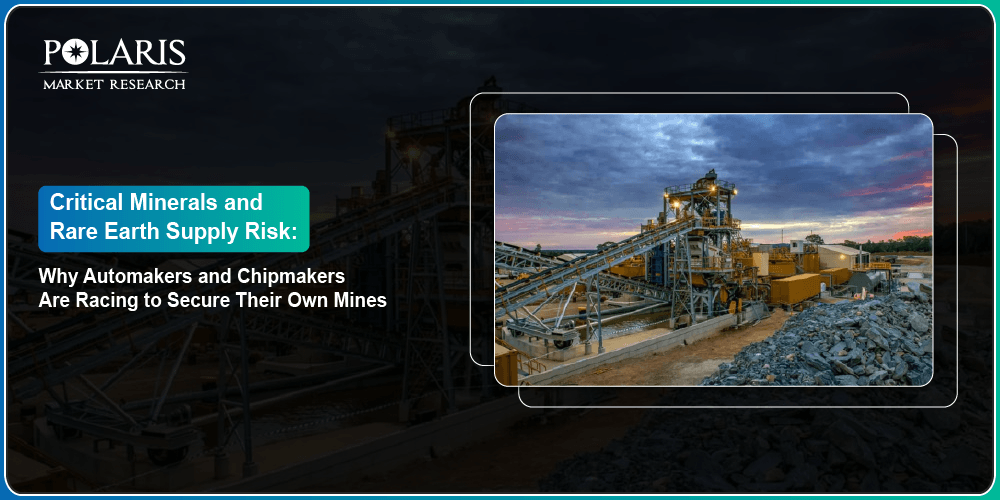
The critical minerals supply chain in 2026 is becoming a serious issue for many industries. Automakers and chipmakers rely on minerals like lithium, nickel, cobalt, graphite and rare earth elements to make their products. But much of the world's supply is still sourced from just a few countries. Trade disputes, political tensions and production delays are increasing supply chain risk. This is one of the biggest supply chain risks in 2026, many in the industry say. Companies have changed their strategy regarding sourcing raw materials. Some are moving into mining projects; others are signing long-term supply contracts or working directly with mining companies. The goal is to reduce risk, guarantee a reliable future supply, and continue production without major disruption.
What Are Critical Minerals, and Why Do They Matter Now?
Critical minerals are natural raw materials vital to industrial production and modern technology. They include lithium, cobalt, nickel, and rare earth metals, and are not easily replaced and are needed by a number of industries.
Lithium, cobalt, and nickel are used in EV batteries. Rare earth elements are used to make magnets for electric motors and many electronic products. Chipmakers also use these materials in semiconductor manufacturing.
Today, rare earth supply risk is a growing concern because much of the global supply comes from only a few countries. Any disruption can affect manufacturers in many parts of the world. That is why companies are improving battery materials sourcing and looking for supply from different regions. Many are also increasing mining investment in the automotive and semiconductor sectors to reduce future supply risks.
Why Is Supply Concentration Such a Big Risk in 2026?
Geographic Concentration of Rare Earth Processing
One of the biggest reasons is that rare earth processing is still concentrated in only a few countries. Minerals are mined all over the world, but they're typically sent to the same places to be processed. That creates a vulnerability in the supply chain; if processing slows or stops, manufacturers can face delays and shortages. Automakers, battery makers, and chipmakers all depend on these processed materials. Many companies are building new refining plants and mining projects in other regions to mitigate rare earth supply risk. It is also part of a broader trend of supply chain diversification.
Geopolitical Tensions and Export Restrictions as Accelerants
In 2026, geopolitical tensions will put pressure on supply chains. Trade disputes, export restrictions, and changes in policies could complicate the supply of critical minerals. This adds further uncertainty for manufacturers that rely on imports. Supply delays and increased costs can impact production schedules. To reduce these risks, many companies are expanding battery materials sourcing across different countries instead of relying on one region. Companies look for a steadier and more secure supply of raw materials. Therefore, mining investment in the automotive and semiconductor sectors is increasing.
How Are Automakers Responding to Rare Earth Risk?
Direct Investment in Mining and Long-Term Supply Contracts
Automakers are taking more control over their raw material supply. Many are investing in mining projects or working directly with mining companies. Some are signing long-term contracts to secure lithium, nickel, cobalt, and rare earth supplies. These agreements reduce the risk of shortages and unexpected price increases. They also make supply planning easier. As EV production grows, companies are giving more attention to battery materials sourcing. They are also expanding their supplier network. This supports supply chain diversification and reduces dependence on one country or one supplier.
Magnet-Light Motor Design as a Hedge
Automakers are also changing motor designs. Some new electric motors use fewer rare earth magnets. A few designs avoid them completely. This reduces the need for materials that can be difficult to source. These motors are still in development but do offer manufacturers more options. Companies are trying to maintain the same level of performance but use fewer critical minerals. This approach can reduce the risk of rare earth supply as well as better sourcing and can also reduce the need for future investment in mining in the automotive and semiconductor supply chains.
How Are Semiconductor and Battery Makers Responding?
Recycling and Material Recovery Investment
Semiconductor and battery makers are investing more in recycling. They extract useful materials from used batteries, e-waste, and factory scrap. Lithium, nickel, and cobalt can often be processed and reused. This gives companies another source of raw materials. It also reduces the need for new mining. As demand continues to grow, recycling is becoming an important part of battery materials sourcing. It also helps provide for lower rare earth supply risk and helps make the supply chain more stable.
Geographic Diversification of the Supply Base
Many companies are now buying materials from different countries instead of depending on one source. This reduces the impact of trade issues, export restrictions, and supply delays. Some are also building processing plants closer to their factories. This helps to improve supply and reduce transport risks. Supply chain diversification is now a key part of sourcing plans for many companies. It is also driving more mining investment in automotive and semiconductor supply chains to secure raw materials for the future.
What Role Does Construction and Mining Play in This Shift?
The construction and mining industry is becoming more important. More mines are needed to fill the growing demand for lithium, nickel, cobalt, and rare earth elements. But starting a new mine is not an easy task. Companies must first go through exploration, environmental reviews and government approvals. That can take several years.
The bigger issue is processing. Many countries can mine these minerals, but only a few can process them. This is one reason for continued supply risk with rare earths. Without enough processing plants, raw materials take longer to get to manufacturers.
They are building new processing plants, opening new mines and investing in projects in various regions, and thus supporting supply chain diversification and reducing dependence on a handful of processing locations.
What's the Outlook for Critical Mineral Supply Through 2027?
The supply of critical minerals is likely to stay tight in the short term. Electric vehicles, semiconductors, and clean energy will continue to drive demand. As such, rare earth supply risk will remain for many companies for the foreseeable future. Over time, however, the situation is expected to improve. New mines and processing plants are being developed. Recycling is also increasing and adding to supply. At the same time, supply chain diversification is allowing companies to depend less on a few countries. These changes will take time, but they are expected to improve supply and make the market more stable through 2027.
Frequently Asked Questions
Which Countries Dominate Rare Earth Processing Today?
China processes most of the world's rare earth materials. A few other countries are adding processing capacity, but China remains the biggest player.
How Does Rare Earth Supply Risk Affect EV Prices?
Supply shortages can increase the cost of battery materials. This can make electric vehicles more expensive to produce.
Can Battery Recycling Solve the Critical Minerals Shortage?
Battery recycling can recover valuable materials like lithium, nickel, and cobalt. It helps improve supply but cannot fully replace new mining.
Learn more about the critical minerals market with the latest Minerals & Metals reports from Polaris Market Research. These reports cover market trends, supply changes, major investments, and future opportunities. They offer useful insights to help businesses understand the market and make better decisions.

.webp)