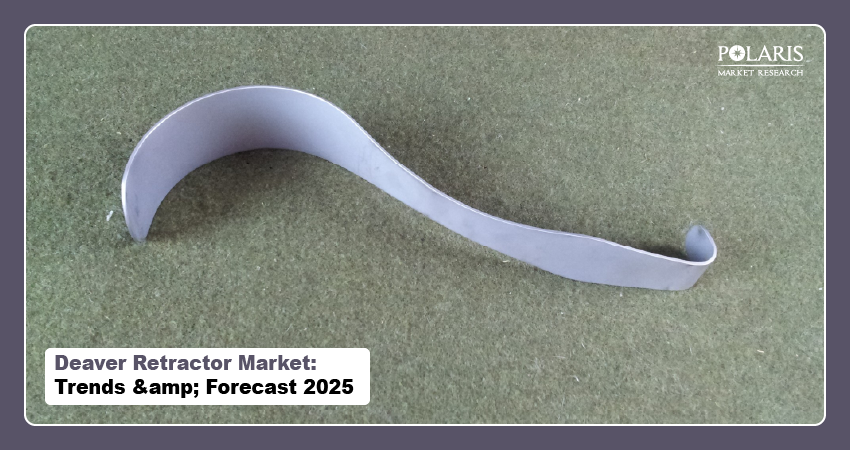
In every surgical procedure, clear access is essential. Surgeons need tools that make their work easier and safer. One of these instruments quietly works, holding tissue aside and keeping the area open. That tool is the deaver retractor, a staple in operating rooms worldwide.
What is Deaver Retractor?
A deaver retractor is a surgical instrument with a long, flat, curved blade. It is used to move organs or tissue aside in order to give surgeons better access to the operative area. This improves visibility and makes surgical procedures safer and more efficient.
How has Deaver Retractor Changed Over Time?
The deaver retractor has been in use for several years during surgeries. It is an aid to surgeons in reaching deep tissues. Its long, curved blade gently moves the organs and provides a clear view of the surgical area. The design has changed over the years to improve safety and comfort during use. Today, because of its simple, effective design, it remains popular for many types of surgery.
Deaver Retractor Industry Insights
The global deaver retractor market size was valued at USD 188.08 million in 2024. It is expected to grow at a CAGR of 4.5% from 2024 to 2032.
Key Uses of Deaver Retractor
The deaver retractor facilitates visualization and surgical access by retracting organs and tissues, thereby providing a clear view of the operative area. Major uses are:
- Abdominal Surgery: This holds the stomach, intestines, and other organs.
- Thoracic Surgery: Keeps the chest cavity open for better access.
- General Surgery: Greatly aids procedures that require tissue movement.
- Gynecological Surgery: This procedure provides access to the reproductive organs.
- Minimally Invasive Procedures: These are sometimes used in moving tissue during small-incision surgeries.
Different Types and Sizes of Deaver Retractors
Deaver retractors come in different types and sizes depending on the surgery being performed. Adequate selection makes the surgeon's job easier and safer.
Standard Deaver Retractors: These are the most common types. They have a long, flat, curved blade. Surgeons use them in many abdominal and thoracic procedures.
Specialty Deaver Retractors: Some retractor models are designed for specific surgical procedures; for example, smaller or extra-wide blades facilitate access to tight or deep spaces.
Blade Sizes Vary: They vary in length and width. Surgeons select a size based on the required access area. Using an appropriate size ensures better visibility and less tissue pressure.
Materials: Most deaver retractors are made of stainless steel. Many of them have coatings or finishes to make these instruments easier to clean and more durable.
Which Trends are Shaping Surgical Retractors in 2025?
Surgical retractors continue to evolve to make surgery safer, easier, and more efficient. Trends observed in 2025 include:
Smart & Sensor?Enabled Retractors
Some retractors now have built-in lights or sensors from the light sensors market. They can monitor tissue pressure and provide feedback, helping surgeons avoid tissue damage.
Lighter Materials & Better Ergonomics
Lighter yet stronger materials are being produced for retractors. Comfortable handles reduce surgeon fatigue during extended operations.
Modular & Customizable Systems
Retractors can now be equipped with interchangeable blades, handles, or frames. Surgeons can thus adjust them for various surgeries.
Growing Use of Disposable Retractors
Many hospitals use disposable retractors to minimize the risk of infection and to avoid cleaning.
Retractors for Minimally Invasive & Robotic Surgery
Smaller retractors are designed for keyhole surgeries and the minimally invasive surgery market; they fit through narrow incisions and generally work well with robotic arms.
Advantages of Deaver Retractors
Good retraction is essential during a surgical procedure. A deaver retractor is designed to offer excellent access and tissue protection. The following are some of the advantages of deaver retractors:
Deep Access in Surgery
The long, curved blade retractor reaches into the body spaces much deeper than any other retractor type. It gently elevates the organs and shifts them to one side of the body cavity, allowing the surgeon to operate. This is particularly helpful in abdominal and chest procedures, where deeper structures need better visualization.
Smooth and Safe Retraction
The wide, flat blade spreads the pressure over a larger area, reducing the risk of tissue injury or bruising. Its smooth surface also allows easy movement without pulling or tearing, making it safe for sensitive organs.
Variety of Uses in Many Surgeries
The Deaver retractor has broad applications across various types of operations. It is chosen by surgeons for abdominal, thoracic, and gynecological procedures. For shifting soft tissues and organs, this instrument works out well. Its simple but effective shape allows it to adapt to many surgical needs.
Easy Handling for Surgical Team
The handle design ensures a firm, comfortable grip. It is steady even on long procedures. This helps the team hold the retractor without strain and keeps the surgical field open at all times.
Better Visibility for the Surgeon
Keeping organs and tissue away from the site creates a clear, open space. Good visibility helps the surgeon work with care and accuracy. This also helps reduce errors, thus making the procedure smoother.
Impact of 3D Printing on Deaver Retractors
3D printing is beginning to transform the design and manufacturing of deaver retractors into lighter, more precise instruments that can be easily tailored, making surgeries safer and offering hospitals greater flexibility.
- 3D printing allows makers to adjust the curve, length, or width of the retractor to suit a surgeon's needs or a patient's anatomy. This improves access during difficult surgeries.
- New ideas can be turned into real tools within days. Designers can quickly test shape, grip, and strength before mass production.
- Single-use retractors, for instance, can be made from printed medical-grade plastics. They reduce the risk of infection and eliminate the need for complex cleaning steps.
- The printed retractors can be made from special polymers or metal blends that are strong yet light. Consequently, this reduces surgeons' hand fatigue during long procedures.
- It can also be designed to incorporate channels or spaces for sensors, lights, or pressure indicators in the deaver retractor market. These serve to enhance visibility while protecting tissues.
In Closure
The deaver retractor remains an essential instrument in surgery today, as it allows for safe and effective tissue retraction. Innovations in lighter materials, ergonomic design, smart sensors, and 3D-printed customization shape its utility and relevance for state-of-the-art minimally invasive procedures.