
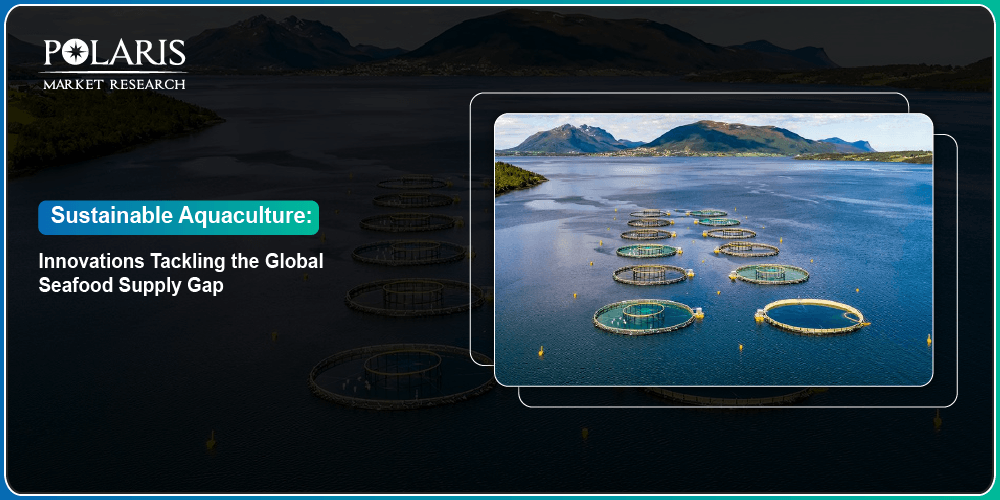
Introduction — Aquaculture's Role in Global Food Security
Aquaculture now fills a major global seafood demand gap. Wild fish stocks are under stress. Many regions face supply shortages already. Sustainable aquaculture helps stable food systems and local economies. It reduces stress on the world’s oceans. New aquaculture technology increases yield with less waste. Recirculating aquaculture systems, for instance, conserve water and land. They also improve disease control. Farmers are testing alternative aquafeed and Aquafeed Additives to decrease reliance on fishmeal. This gradually decreases environmental impact. Offshore aquaculture moves farming beyond crowded coastlines. Growth is consistent, but problems remain in cost and scale.
Current Challenges in Global Seafood Supply
Global seafood systems face pressure from many sides now. Supply cannot match fast rising demand. Sustainable Aquaculture tries to bridge this widening gap. Limits in production and ecology slow progress today. Change is needed soon.
Overfishing and Wild Stock Decline
Wild fisheries are under heavy stress across many regions. Overfishing reduces stock recovery year after year. Some species face long-term collapse risks now. Illegal fishing adds more pressure quietly. Sustainable fish farming helps reduce this dependence slowly. Still, gaps remain in scale and cost. Recirculating aquaculture systems support controlled production environments. They reduce pressure on wild catch indirectly. But adoption is not equal everywhere yet.
Rising Seafood Demand vs. Production Capacity
Global seafood demand keeps growing with population and income shifts. Seafood is more likely to now be a protein source in urban diets. Production systems are under pressure to keep up. Aquaculture technology is getting better in efficiency but needs to be adapted in a broader way. Offshore aquaculture is helping to increase farming space beyond coastal limits. But infrastructure costs are still high in many places. Supply chains still have gaps and delays. Growth is there but capacity still lags demand.
Technological Innovations in Aquaculture
Smart Agriculture is reshaping how seafood is produced today. Data, sensors and controlled systems are widely used on farms. These improvements are crucial for sustainable aquaculture to grow steadily. New aquaculture technology improves productivity with less environmental stress. Change is visible but in some areas adoption is mixed.
Recirculating Aquaculture Systems (RAS)
Recirculating aquaculture systems allow fish farming in controlled indoor setups. Within closed loops, water gets filtered and reused. This reduces water use and waste discharge significantly. Farmers gain better control over temperature and disease risks. Sustainable fish farming benefits from such stable environments. Production becomes less dependent on external climate changes. Setup costs remain high for small operators today. Still, long-term efficiency attracts larger investments steadily.
Offshore and Deep-Water Farming
Offshore aquaculture moves fish farms away from crowded coastal waters. It uses deeper, open ocean environments for better circulation. Waste disperses faster, reducing local pollution risks. In these area farms can scale more easily. Aquaculture technology helps strong cages and monitoring systems offshore. Weather risks remain a problem for operators still. Maintenance costs are also higher in deep water. Yet expansion potential looks strong for future supply needs.
AI and IoT for Water Quality Monitoring
Sensors now track farming conditions in real time. AI tools analyze water quality and feeding patterns. Farmers receive alerts before problems become serious. These systems reduce losses and improve fish health. Data driven decisions help efficient resource use. Aquaculture technology also supports lower operating costs. Smart monitoring strengthens long term farm performance.
Sustainability Practices Reshaping the Industry
Sustainability now drives decisions across modern seafood production systems. Sustainable Aquaculture aims on reducing waste and resource use. Producers test new methods to stay efficient and compliant. Both policy and market demand push these changes forward steadily.
Alternative Feed Sources (Insect, Algae-Based)
Feed remains a major cost and environmental concern in aquaculture. Today, traditional fishmeal supply is limited and unstable. Instead, alternative aquafeed uses insects, algae and plant proteins. These options reduce pressure on wild fish stocks globally. More stable feed sources benefit sustainable fish farming. Nutrition levels are improving with ongoing research and trials. Cost is still higher in early adoption stages. But scaling may reduce prices over time steadily.
Disease Management Without Antibiotic Overuse
Disease outbreaks can damage production and increase financial risks. Farmers now reduce antibiotic use in many operations. Better hygiene and monitoring improve fish health conditions. Recirculating aquaculture systems help isolate and control disease spread. Vaccines are also used in some high value species today. Aquaculture technology supports early detection through real time monitoring tools. This shift improves long term sustainability and product safety.
Carbon Footprint Reduction Strategies
Energy consumption and emissions are becoming more problematic for fish farming. Producers are now tracking and minimizing their carbon output. Offshore aquaculture enhances water flow and decreases waste buildup. In addition, better logistics are lowering fuel use in supply chains. The use of renewable energy is gradually increasing on farms. Aquaculture technology offers better tools for energy monitoring and optimization. These steps support maintain a long term environmental and economic balance.
Regional Production Trends
Regional production trends vary across global seafood markets. Aquaculture technology drives output growth and efficiency gains. Investments in sustainable fish farming continue to expand production capacity in major regions of the world today.
Asia-Pacific Dominance
Asia Pacific captured 51.3% of global production in 2025. China remained the leading producer. India, Vietnam, Indonesia, and Bangladesh expanded output steadily. Strong domestic demand helps growth. India's shrimp exports increased in North America and Europe through higher frozen shrimp shipments and modernization efforts by governments and producers alike today.
Emerging Growth in Europe and Latin America
Europe accounted for 12.3% of global production in 2025. Environmental policies are creating incentives for sustainable fish farming practices. Spain, France, Greece and Italy are the regional leaders in production. Latin America is benefitting from increased shrimp exports from Ecuador and salmon exports from Chile. Governments are supporting investments in monitoring systems and production facilities aimed at export markets in coastal areas.
FAQs
1.What is sustainable fish farming in simple terms?
It means farming fish with lower environmental impact and better resource use.
2.How does aquaculture technology improve production today?
It helps monitor water, feed use, and fish health in real time.
3.Why are recirculating aquaculture systems gaining adoption now?
They save water and allow farming in controlled indoor environments.
Conclusion
Sustainable Aquaculture will shape future seafood supply and industry growth. New methods improve efficiency and reduce long-term risks. Market trends show steady investment across regions. Explore our aquaculture market report for deeper insights, data forecasts, and competitive analysis.

.png)


