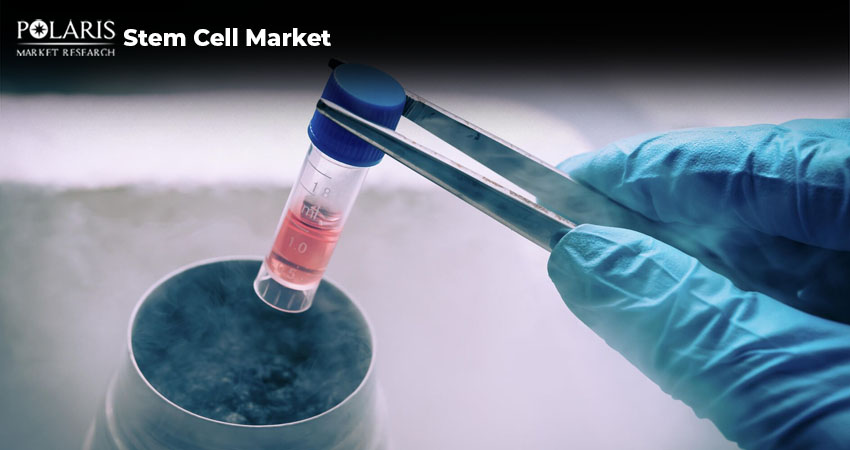
Imagine a future where impaired organs can biologically heal themselves, spinal cord injuries are no longer life-altering, and diseases such as diabetes, Parkinson's, and many more can be cured. If you think that this sounds like science fiction, think again. The world of stem cell research is changing the course of medicine, and future treatments for diseases that were once deemed incurable have begun. Stem cells are cells that have the unique ability to develop into any type of cell in the body. Stem cells could change the medicine industry forever with their potential to regenerate damaged tissues and replace damaged cells in particular.
So, what are stem cells, and how are they being used? Even more importantly, which companies are leading the stem cell market? Let's explore the incredible world of stem cells and some of the major companies innovating this new frontier.
What Are Stem Cells?
Stem cells are cells that have the ability to develop into many different cell types in the body, acting essentially as a repair system. Stem cells have the potential to become specialized cells, such as muscle cells, blood cells, and nerve cells, based on the requirements in the body. Stem cells are valuable because they have the ability to repair damaged tissues, regenerate organs and tissues, and treat blood disorders and cancers.
Stem cells have two main properties:
- Self-renewal: Stem cells can divide and create more stem cells.
- Differentiation: Stem cells can give rise to specialized cell types (muscle cells, nerve cells, or blood cells).
Some key stats. Our analysis reveals the stem cell market to witness sustained growth. The market for these cells stood at USD 16.96 billion in 2025. It is anticipated to account for a CAGR of 11.5% during the projection period.
Categories of Stem Cells
There are several categories of stem cells, some of which are:
- Embryonic Stem Cells (ESCs): They are obtained from an early-stage embryo, and are therefore pluripotent (can grow into any cell type in the body).
- Adult Stem Cells: Found throughout the body, they are generally less potent (differentiate into fewer cell types) than embryonic stem cells.
- Induced Pluripotent Stem Cells (iPSCs): They are cells that were reprogrammed to be pluripotent, meaning they can develop into any cell type in the body.
- Mesenchymal Stem Cells (MSCs): These types of stem cells are multipotent stem cells, meaning they can differentiate into a range of cell types. MSCs are derived from tissue and are a type of adult stem cell.
Which Companies Offer Stem Cells?
Vertex Pharmaceuticals
Founded: 1989
Key Product: VX-880
Headquarters: Boston, Massachusetts, USA
Vertex is a public company that specializes in biotechnology research. It is consistently recognized as one of the industry's top places in the world. Their stem cell-derived VX-880 therapy aims to replace insulin-producing pancreatic cells in Type 1 diabetes patients. Vertex’s success highlights the potential of stem cells to treat chronic diseases. Their work could pave the way for similar therapies for other conditions.
CRISPR Therapeutics
Founded: 2013
Headquarters: Zug, Switzerland
CRISPR Therapeutics is a biotech company that uses gene-based medicines to find cures for serious diseases. CRISPR Therapeutics' first CRISPR-based therapy has been approved in some countries for certain people with sickle cell disease and transfusion-dependent beta-thalassemia. CRISPR Therapeutics specializes in gene editing, hematology, and immuno-oncology. Combining stem cells with gene editing opens up new possibilities for curing genetic disorders. CRISPR Therapeutics is at the cutting edge of this convergence.
Mesoblast Limited
Founded: 2004
Key Product: remestemcel-L
Headquarters: Melbourne, Australia
Mesoblast Limited is a public biotechnology company that specializes in regenerative medicine. Mesoblast uses its proprietary technology platform to treat and discover cardiac, hematological, and musculoskeletal disorders. Mesoblast conducts clinical trials that meet stringent safety and efficacy criteria set by international regulatory agencies. Mesoblast’s work demonstrates the versatility of adult stem cells in treating a wide range of conditions, from immune disorders to cardiovascular diseases.
Pluristem Therapeutics
Founded: 2001
Headquarters: Haifa, Israel
Pluri is a biotechnology company that develops cell-based products. Their products are used in pharmaceuticals, food technology, and regenerative medicine. Their unique approach involves using 3D bioreactors to grow stem cells, which are then injected into patients to promote healing. Pluristem’s innovative methods show how stem cells can be harnessed for tissue repair and regeneration, offering hope for patients with limited treatment options.
Fate Therapeutics
Founded: 2007
Key Products: iPSC-derived natural killer (NK) cell
Headquarters: San Diego, California, USA
Fate Therapeutics is a biotechnology company that develops stem cell therapeutics. Fate Therapeutics collaborates with academic centers, medical centers, and companies to develop products and technologies. Their approach involves reprogramming adult cells into stem cells, which are then engineered to target specific diseases. Fate’s work on iPSCs could democratize stem cell therapy market, making it more accessible and affordable for patients worldwide.
Other key stem cell market companies are:
Brainstorm Cell Therapeutics: The company uses its proprietary NurOwn platform to develop adult stem cell therapies for neurodegenerative diseases.
Caladrius Biosciences: Caladrius Biosciences is a cell therapy company that uses stem cells to treat conditions like coronary microvascular dysfunction and critical limb ischemia.
Cellartis AB: Cellartis AB, now known as Takara Bio Europe AB, focuses on human pluripotent stem cells for drug discovery and toxicity testing.
Cellular Engineering Technologies Inc.:The company offers stem cells for research and biopharmaceutical development.
Gamida Cell: The company uses its proprietary nicotinamide (NAM) technology to expand stem cells to improve outcomes for patients needing a stem cell transplant.
What Are Key Market Trends?
Below are some of the major trends anticipated to drive the stem cell market in the coming years:
Increased Awareness
- People are becoming more aware of stem cells and their role in the regenerative medicine market and advanced therapeutics.
- Umbilical cord-derived stem cells are a potent source for cell and gene therapies.
Rising Demand for Stem Cell Banking
- There is a growing demand for stem cell banking and regenerative treatment options.
- The demand for cell and gene therapies is rising, especially in oncology and musculoskeletal applications.
Technological Advancements
- Disease modeling technology uses patient-specific iPSCs to recreate disease environments in vitro.
- 3D printing technology is being used more widely in the stem cell industry.
Stem Cell Therapy
- Stem cells can be obtained from embryonic and fetal tissues, as well as from adult tissues like blood, skin, and bone marrow.
- Stem cell therapy is a promising therapeutic approach for people with limited options for managing their medical conditions.
What Challenges Market Players Face?
Despite its innovative breakthroughs, the market faces a few of challenges that are discussed below.
Embryonic Stem Cell Derivation: The most prominent ethical debate centers around the use of embryonic stem cells, as obtaining them requires the destruction of a human embryo, leading to discussions about the moral implications of using human embryos for research purposes.
Genetic Modification and Enhancements: The possibility of using stem cells to modify genes could lead to ethical dilemmas regarding designer babies and the potential for genetic discrimination.
Regulation and Oversight: The need for clear and robust regulatory frameworks to oversee stem cell research, clinical trials, and commercialization to protect patients and ensure ethical standards are met.
Conclusion
Stem cells are more than just a scientific breakthrough; they represent a major shift in how we approach healthcare. From curing chronic diseases to regenerating damaged tissues, the possibilities are endless. As we stand on the brink of this new era, one thing is clear: the future of medicine is being written today, and stem cells are at the heart of it.