
Meat Substitutes Market Share, Growth, Industry Report, 2026-2034
REPORT DETAILS
Meat Substitutes Market Overview
The global meat substitutes market was valued at USD 14.44 billion in 2025 and is expected to grow at a CAGR of 16.9% from 2026 to 2034. Market growth is fueled by rising health awareness and environmental concerns over meat production. The criticism of intensive animal farming for its environmental and animal welfare impacts has led to the emergence of diets excluding or restricting animal product consumption, thereby fostering the growth of the meat substitutes market.
Market Statistics
Key Insights
- The North American market is experiencing a surge, with a CAGR of 17.5%, fueled by the rising popularity of meat alternatives in foods such as burgers and tacos.
- Europe dominated the market with nearly 38.5% share in 2025 due to strong focus on sustainable food systems.
- Germany is the fastest-growing country in Europe, with a CAGR of 16.7% owing to the high demand for plant-based diets and new products.
- The plant-based protein segment led the market in 2025 with about 48.7% share. This was because people were more aware of their health, the environment, and the fact that meat was less available.
- The retail segment held the largest share of around 56.7% and is expected to grow at a CAGR of 17%, owing to discounts and the fact that it is widely available in supermarkets..
*Note: Figures and projections outlined in this report are the result of Polaris Market Research’s proprietary analytical processes, grounded in the latest available datasets and market observations.
Industry Dynamics
- Criticism of intensive animal farming on environmental and welfare grounds has driven the rise in plant-based diets, propelling the market.
- The environmental sustainability of plant-based meat alternatives, characterized by reduced resource use and lower greenhouse gas emissions, is driving demand and fueling market growth.
- Increasing consumer awareness of the health benefits of a vegan lifestyle is driving global demand for plant-based foods.
- A significant limitation in the meat substitutes market is the higher cost of plant-based options compared to conventional meat, which restricts their availability to some consumers.
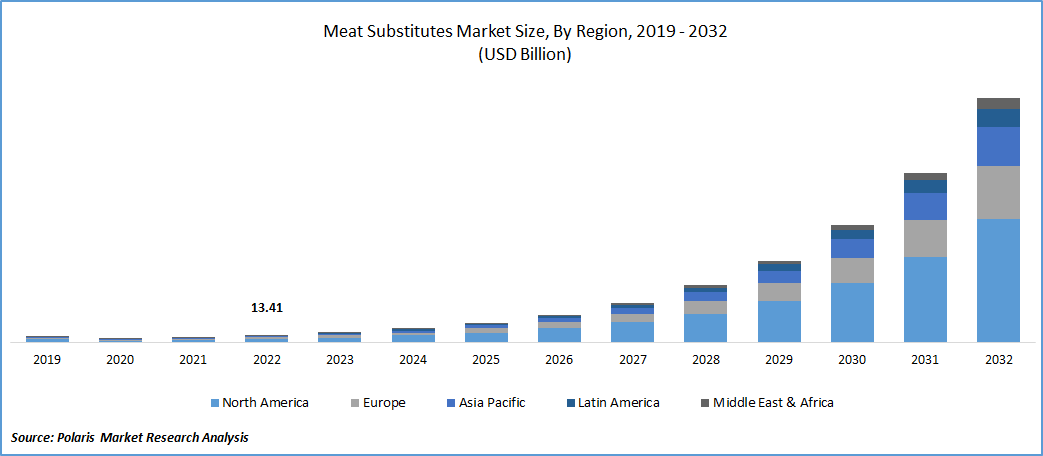
Source: Polaris Market Research Analysis
To Understand More About this Research: Download Sample Report
What are Meat Substitutes?
Meat substitutes are food products made to look, taste, and feel similar to meat while being produced from plant-based or alternative protein sources. Ingredients like soy, pea protein, wheat, mycoprotein, and legumes are widely used. These products are becoming popular among vegetarian, vegan, and flexitarian consumers looking for healthier and more sustainable food choices.
The growing awareness among consumers of plant-based meat substitutes is driven by an increasing number of individuals seeking these alternatives for acknowledged health benefits, including the potential prevention of non-communicable diseases, digestive problems, and obesity. In the current era, heightened health consciousness, driven by concerns over obesity and diseases such as heart disease and diabetes, is prompting consumers to actively change their dietary choices and adopt healthier eating habits, thereby expected to boost the demand for meat alternatives.
The increasing recognition among consumers of the advantages linked to a vegan diet is a significant driver for the worldwide demand for plant-based products. Furthermore, the inclusion of cholesterol-free protein in these products significantly contributes to their growth across various regions. The substantial growth in the meat alternatives market results from a blend of consumer considerations and manufacturers' ability to provide meat substitutes with superior texture, flavor, and mouthfeel characteristics. Gen Z and Millennials, guided by health consciousness, environmental sustainability, and concern for animal welfare, stand as pivotal factors propelling demand in this sector.
Numerous manufacturers have joined forces with brands to offer products within the plant-based category. For instance, Next Meats, a Tokyo-based company, collaborated with Vegan Meat India in December 2021 to launch meat-free products in the country. This trend broadens consumers' product options, introducing variety and innovative flavors that cater to diverse dietary preferences. Non-vegetarian and non-vegan consumers are increasingly embracing plant-based alternatives, driven by factors like improved nutrition, weight management, concern for animal welfare, and a commitment to long-term environmental sustainability.
One challenging aspect for plant-based meat products to imitate is the color of meat, especially in products containing textured vegetable proteins, which can undergo color changes during cooking. Given that color is a crucial parameter for consumers when making purchasing decisions, any alteration in this aspect can deter repeat purchases. Additionally, replicating the aroma of meat poses a significant challenge, particularly for plant-based alternatives. Flavoring agents often fall short in imitating the meaty aroma, resulting in products with a bland taste that fails to deliver a satisfactory experience for consumers. To enhance taste appeal, manufacturers resort to adding ingredients such as salt and spices, creating aromatic plant-based products. Extensive processing and the addition of multiple additives to products like tofu, aimed at extending shelf life, may impact their texture and taste. Consequently, such products may be less appealing to consumers seeking healthier options with fewer added chemicals.
Source: Polaris Market Research Analysis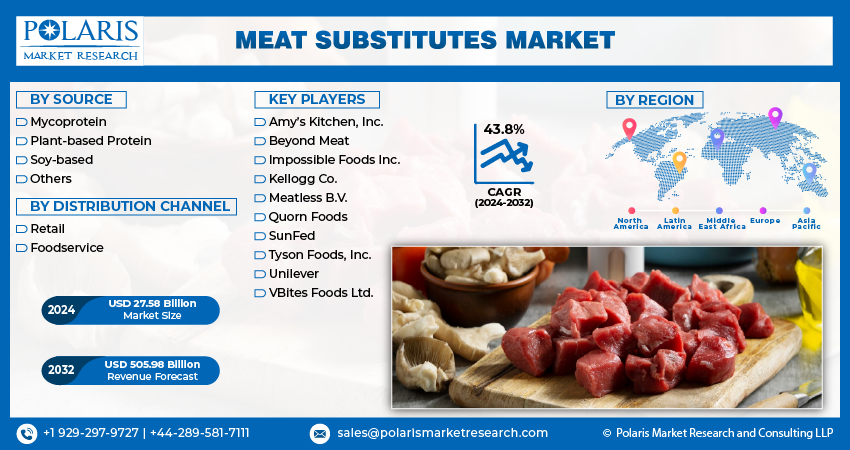
Plant-Based Meat vs Animal Meat
| Factors | Plant-Based Meat | Animal Meat |
| Protein Source | Made using soy, pea protein, wheat, legumes, and other plant ingredients | Comes directly from animals like chicken, beef, pork, and fish |
| Environmental Impact | Generally uses less water, land, and energy during production | Requires more natural resources and creates higher emissions |
| Cholesterol Levels | Usually free from cholesterol | Naturally contains cholesterol and saturated fat |
| Texture | Processed to give a meat-like texture and bite | Has a natural meat texture |
| Taste | Designed to taste similar to meat with added flavors and seasonings | Has its own natural meat flavor |
| Processing Methods | Produced using blending, extrusion, and food technology methods | Involves animal farming, slaughtering, and meat processing |
| Sustainability | Considered a better option for sustainable food production | Creates more environmental pressure due to livestock farming |
Source: Polaris Market Research Analysis
Industry Dynamics
Growth Drivers
The Positive Impact on Health and the Environment Associated with the Consumption of Plant-Based Protein Foods is Expected to Drive Further Growth in the Market
Consumption of red meat has been linked to various health disorders, including diabetes, cardiovascular disease, and cancers, according to research from the Harvard School of Public Health in September 2019. In response, health-conscious consumers are increasingly opting for plant-based protein alternatives like tofu, tempeh, seitan, defatted soy chunks, and similar meat-like products. This shift in dietary preferences is anticipated to reduce the risk of obesity and other health issues, contributing to an improved quality of life.
Moreover, animal farms are recognized as significant contributors to global warming, accounting for approximately 14.5% of total global greenhouse gas emissions, according to the United Nations Food and Agriculture Organization (FAO). Beyond emissions, maintaining animal farms involves substantial resource use, including freshwater and grasslands. In contrast, plant-based meat products or alternatives necessitate fewer natural resources and produce fewer greenhouse gases, positioning them as sustainable choices compared to animal-based protein products. This environmental awareness serves as a key factor influencing consumers to embrace cleaner meat options, thereby fostering Meat Substitutes market growth.
Which Innovations are Expected to Reshape the Meat Substitutes Market?
The market is witnessing breakthroughs in fermentation, novel proteins, and structuring technologies to enhance flavor and texture. Players are adopting microbial, mycelium, and single-cell proteins to create cleaner, more fibrous products. Hybrid plant-cell formulations and precision fermentation facilitate realistic meat analogues. Such innovations help companies adhere to nutrition and sustainability norms. By focusing on innovation, players are expanding their product portfolios and boosting industry growth.
| Innovation Category | Description/Mechanism | Impact on Market |
| Novel Protein Sources | Exploring non-traditional proteins, including fungi (mycelium), single-cell proteins, and microbes | Boosts sustainability, offers new textures, and reduces reliance on legumes. More scalable and potentially inexpensive in the long run. |
| Precision Fermentation/Cultured Meat | Use of biotechnology to produce meat-like proteins and actual animal cells without raising animals. | Enables the production of “real” meat without slaughter. It could drastically reduce adverse environmental impacts and open opportunities to novel meat types. |
| 3D-Printing/Structuring | Using 3D printing to recreate whole-muscle textures (steaks, fillets) from plant proteins. | Helps replicate the look and texture of real meat. Increases consumer appeal for “whole-cut” meat alternatives. |
| Clean-Label & Allergen-Friendly Formulations | Reduced use of artificial additives, removal of allergen-causing ingredients such as soy and wheat, and a high focus on “clean” profiles | It makes meat alternatives accessible to more consumers, especially those affected by allergies and who are health-conscious. |
| Flavor & Texture Engineering | Advanced processing, including extrusion, flavor systems, and high-pressure processing, to mimic meat’s texture, juiciness, and taste | It makes substitutes more meat-like in sensory experience, which boosts consumer acceptance |
| Sustainability-Driven Ingredients | Use of upcycled, low-impact, and regenerative ingredients | Aligns with consumer demand for products with low environmental impact. It also strengthens the sustainability credentials of the brand. |
| Collaborative Manufacturing/Scaling | Rising partnerships between food producers and food-tech startups | Accelerates commercialization, enables better market reach, and reduces risk. Helps in scaling novel technologies. |
| Custom/Whole-Muscle Formats | Moving beyond patties and crumbles to fillets, steaks, roasts, and strips | Appeals to more “meat purists.” Broadens application beyond burgers |
| Microbial/Koji-Based Fermentation | Use of koji or microbial biomass to create a fibrous structure like meat | Offers a sustainable, scalable, and more natural alternative to soy and wheat. Possibly fewer allergens, better texture. |
Source: Polaris Market Research Analysis
Report Segmentation
The market is primarily segmented based on source, distribution channel, and region.
| By Source | By Distribution Channel | By Region |
|
|
|
Source: Polaris Market Research Analysis
To Understand the Scope of this Report: Request Customization
By Source Analysis
The Plant-based protein segment held the largest revenue share of 48.7% in 2025. The growth of this segment is propelled by factors such as meat shortages in various regions, environmental concerns, and a shift towards healthier dietary choices. Plant-based alternatives, including patties and popular snacks like tofu and hummus, offer excellent options for meeting daily protein requirements. The global surge in plant protein adoption is predominantly fueled by a younger, affluent demographic, with wellness enthusiasts also contributing to the category's expansion. Products derived from plant protein and mycoprotein mimic the texture, flavor, and nutritional properties of meat without using animal sources.
Target plant proteins, extracted from plants, undergo hydrolysis to enhance functionality. These proteins are then combined with ingredients like flour, food adhesives, and plant-based oils to replicate a meat-like texture. Abundant and cost-effective protein sources contribute to the high volume of plant-based meat substitutes, establishing it as the dominant segment.
The mycoprotein segment is anticipated to achieve the fastest CAGR of 15.7% during the forecast period. Due to its elevated nutrient content, including fiber that aids in managing blood cholesterol and sugar levels, consumers prefer mycoprotein-based foods. Moreover, mycoprotein induces a feeling of fullness compared to certain animal proteins like chicken, helping prevent overeating and weight gain. Additionally, mycoprotein provides all essential amino acids, a rare feature in other protein sources. Brands like Quorn offer super-protein meals catering to consumer health preferences. While traditional meat alternatives for vegans and vegetarians included soya chunks, mushrooms, and jackfruit, cottage cheese, a newcomer with unique texture and adaptability, has garnered attention and popularity as a superfood for its numerous nutritional benefits.
By Distribution Channel Analysis
The retail segment accounted for the highest market share of 56.7% in 2025. This segment encompasses various retail establishments, including hypermarkets, supermarkets, convenience stores, mini markets, and departmental stores. Consumers favor these outlets due to the substantial discounts and promotions they provide. Additionally, many brands choose to introduce their products through prominent supermarket chains like Walmart and Target to access a broader customer base.
Plant proteins are witnessing significant demand as retailers introduce plant-based protein products and restaurants innovate their menus with plant-protein options. Consumers worldwide, encompassing vegetarians, non-vegetarians, and flexitarians, are showing keen interest and excitement for inventive products like meat-like plant protein burgers, plant protein lattes, and plant-based protein meal kits. Manufacturers' enthusiastic response to this trend is benefiting consumers by reducing availability and price barriers, as an increasing array of plant-based protein products are introduced in specialty stores, conventional supermarkets, and food service outlets.
The foodservice segment is expected to experience the fastest CAGR of 16.9% during the forecast period. This category encompasses establishments such as restaurants, lounges, and hotels. The COVID-19 pandemic resulted in global shutdowns and lockdowns, leading to decreased sales from these channels. However, as economic activities resume worldwide and people shift their focus to socializing and parties, sales through these distribution channels are expected to increase. A key factor propelling the global foodservice market is the growing demand for customization and innovation in food menu options. Consumers seek a diverse range of choices to personalize their meals according to individual tastes, dietary requirements, and budget constraints.
Source: Polaris Market Research Analysis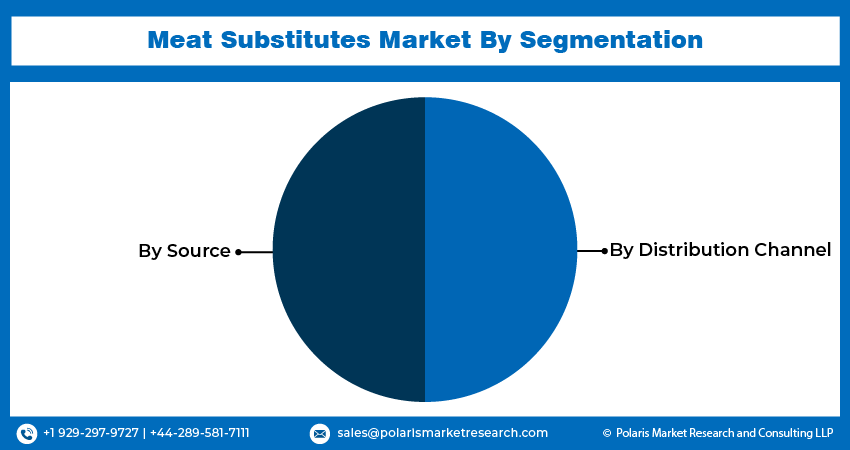
Regional Insights
Europe Dominated the Largest Market in 2025
Europe stands out as a significant global consumer of alternative meat products with 38.5% share in 2025, primarily driven by the region's increasing need to transition toward a more sustainable food system, aligning with the goals of the European Green Deal. Plant-based products play a pivotal role in driving sales growth for grocery retailers throughout the region, with France, the U.K., and Germany emerging as key consumers. Socioeconomic and demographic shifts in France have brought about notable changes in food trends, particularly among the younger generation, who are keen on experimenting with innovative plant-based meat products and are willing to pay a premium for visually appealing and flavorful options. Heightened concerns about food safety in France have further increased the demand for natural and organic food products, with a simultaneous rise in popularity for vegan diets, gluten-free items, and nutritional supplements.
North America is expected to witness fastest growth at a CAGR of 17.5% during the forecast period, there is a notable popularity of various meat replacements like vegan meat burgers, sausages, and similar items among consumers. This trend has prompted meat manufacturers to explore the creation of innovative, high-quality, flavorful, and nutritious plant-based meat products for the expanding market. While animal protein-based products remain relatively popular in the region, consumers are gradually incorporating meat alternatives into their diets, available through online channels, retail markets, and restaurant chains. The increased utilization of meat alternatives in preparing diverse food items, including burgers and tacos, has led to a significant surge in volume sales within retail food chains, emerging as a key factor contributing to the market's growth in the region.
Source: Polaris Market Research Analysis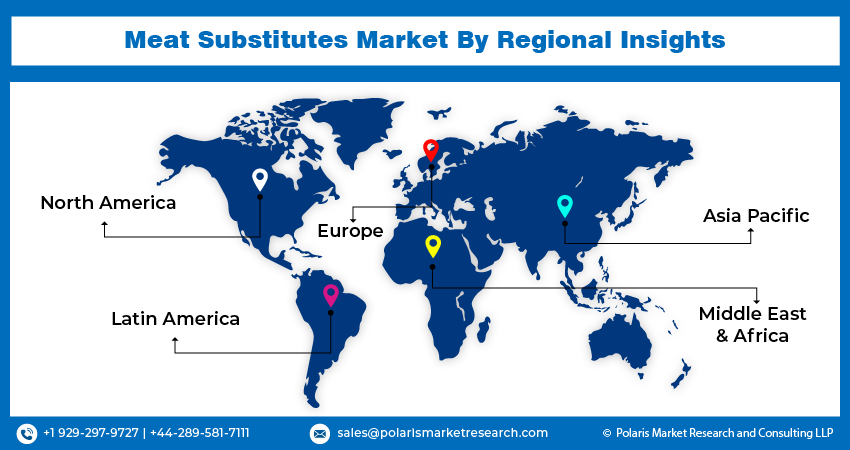
Key Market Players & Competitive Insights
The market is characterized by intense competition, with established players relying on advanced technology, high-quality products, and a strong brand image to drive revenue growth. These companies employ various strategies such as research and development, mergers and acquisitions, and technological innovations to expand their product portfolios and maintain a competitive edge in the market.
Some of the major players operating in the global market include:
- Amy’s Kitchen, Inc.
- Beyond Meat
- Impossible Foods Inc.
- Kellogg Co.
- Meatless B.V.
- Quorn Foods
- SunFed
- Tyson Foods, Inc.
- Unilever
- VBites Foods Ltd.
Recent Developments
- April 2026: Heck announced plans to explore lab-grown meat products through its partnership with Ivy Farm Technologies. The company is focusing on sustainable and future-ready sausage production. (Source: thetimes.com)
- March 2026: Beyond Meat rebranded itself as “Beyond” and expanded into plant-based drinks and snacks. The company also introduced new chickpea- and faba bean-based products. (Source: apnews.com)
Challenges in Meat Substitutes Market
- Taste and texture limitations: Many products still do not fully feel or taste like real meat.
- Ultra-processed food concerns: Consumers are becoming more aware of additives and processing levels.
- High product pricing: Plant-based meat products are often more expensive than regular meat.
- Raw material sourcing issues: Supply and pricing of soy, pea protein, and other ingredients can create challenges.
- Consumer skepticism affecting adoption: Some people are still unsure about nutrition, ingredients, and health impact.
Future Outlook
The meat substitutes market is expected to grow as more people look for sustainable and healthier protein options. Vegan and flexitarian eating habits are becoming more common in many countries. Companies are working on improving taste, texture, and nutrition with new food technologies and precision fermentation. Demand for clean-label and allergen-friendly products is also rising, while investments in next-generation plant-based foods continue to grow worldwide.
Meat Substitutes Market Report Scope
| Report Attributes | Details |
| Market size value in 2025 | USD 14.44 billion |
| Market size value in 2026 | USD 16.83 billion |
| Revenue forecast in 2034 | USD 58.87 billion |
| CAGR | 16.9% from 2026 – 2034 |
| Base year | 2025 |
| Historical data | 2021 – 2024 |
| Forecast period | 2026 – 2034 |
| Quantitative units | Revenue in USD billion and CAGR from 2026 to 2034 |
| Segments Covered | By Source, By Distribution Channel, By Region |
| Regional scope | North America, Europe, Asia Pacific, Latin America, Middle East & Africa |
| Customization | Report customization as per your requirements with respect to countries, region, and segmentation. |
Source: Polaris Market Research Analysis
Meat Substitutes Market FAQ's
The key companies in Meat Substitutes Market include Amy’s Kitchen, Beyond Meat, Impossible Foods Inc., Kellogg Co., Meatless B.V
The global Meat Substitutes market is expected to grow at a CAGR of 16.9% during the forecast period.
Meat Substitutes Market report covering key segments are source, distribution channel, and region
The key driving factors in Meat Substitutes Market are positive impact on health and the environment associated with the consumption of plant-based protein foods is expected to drive further growth in the market.
Meat Substitutes Market Size Worth USD 58.87 Billion By 2034 .
Download Sample Report of Meat Substitutes Market
Please fill out the form to request a customized copy of the research report.


